
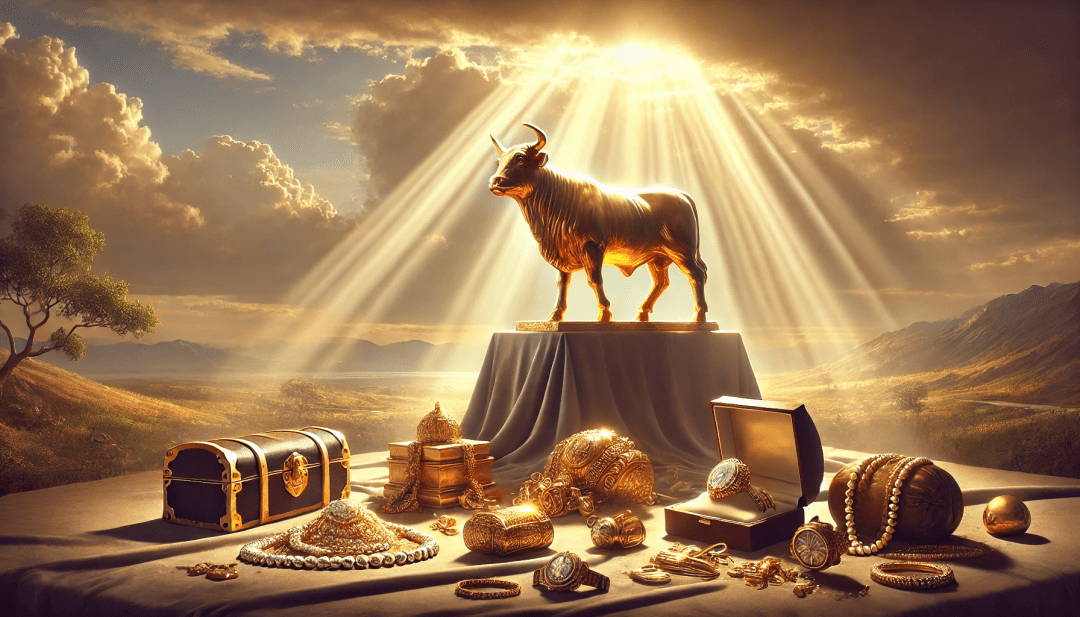
One of the classic examples of turning God’s blessings into idols is found in the story of the Children of Israel and the golden calf, as described in the Quran. After being delivered from the tyranny of Pharaoh by God’s grace, the Children of Israel were given numerous blessings, including guidance and freedom. However, when Moses ascended Mount Sinai to receive the tablets from God, the people grew impatient and fashioned a calf from the jewels God had blessed them with, mixing them with dust from where Moses stood.
This act of idolatry was a profound betrayal of God’s blessings, with the people shifting their devotion away from the One who had saved them. The calf became an idol, symbolizing how easily blessings can be turned into a curse. The ingredients utilized to form the calf came from the luxuries that God gave the Children of Israel, while the dust from the footprint of Moses symbolizes the blessing of God, sending them a messenger to lead them out of darkness into the light. By combining these elements into an idol, they distorted the gifts meant to lead them to God into an idol to rival God.
Yet, God forgave those who repented after this incident, reminding them of His mercy but also underscoring the importance of sincere worship and the danger of turning His gifts into objects of false devotion. This narrative illustrates how easily people can turn God’s blessings into idols.
Many forms of Idols
The Quran addresses the various forms of idols that a person can have.
- Statues (2:51, 21:51-53)
- Jesus (5:72)
- Mary (5:116)
- Jinns (6:100)
- Children (7:190)
- Humans/creatures (7:194)
- Intercessors (10:18)
- Satan (14:22, 16:100, 36:60)
- Property (18:32-36, 18:42)
- Provisions (68:17-32)
- Prophets/messengers/saints (16:20-21, 3:79)
- Ego (25:43, 45:23)
- Upholding religious sources besides God’s revelation (6:19)
- Religious leaders and scholars (9:31)
- Secetarianism (30:31-32)
- Dividing believers and giving comfort to enemies of God (9:107)
In this article, we want to focus on specific examples of blessings that individuals have turned into idols.
Bronze Serpent
Another story we find in the Bible that is not in the Quran of the Children of Israel turning God’s blessings into idols is in the story of the bronze serpent crafted by Moses. In Numbers 21:6–9, we read that after the Israelites complained against God during their wilderness journey, God sent venomous serpents among them, and many were bitten. When the people repented, God instructed Moses to make a bronze serpent and set it on a pole so that anyone who looked upon it would be healed. This bronze serpent served as a means of divine healing, reminding the Israelites of God’s power and mercy.
6 Then the Lord sent venomous snakes among them; they bit the people and many Israelites died. 7 The people came to Moses and said, “We sinned when we spoke against the Lord and against you. Pray that the Lord will take the snakes away from us.” So Moses prayed for the people. 8 The Lord said to Moses, “Make a snake and put it up on a pole; anyone who is bitten can look at it and live.” 9 So Moses made a bronze snake and put it up on a pole. Then when anyone was bitten by a snake and looked at the bronze snake, they lived. – Numbers 21:8–9
However, the Israelites began to worship the bronze serpent itself, transforming it into an idol over time. By the reign of King Hezekiah, this serpent—known as “Nehushtan”—had become an object of veneration, with people burning incense to it. In 2 Kings 18:3-4, we learn that Hezekiah, in his efforts to purify worship in Israel, destroyed the bronze serpent, recognizing that what had once been a blessing had become a stumbling block to true devotion:
3 He did what was right in the eyes of the Lord, just as his father David had done. 4 He removed the high places, smashed the sacred stones and cut down the Asherah poles. He broke into pieces the bronze snake Moses had made, for up to that time the Israelites had been burning incense to it, and called it Nehushtan. – 2 Kings 18:3-4
In his prophetic writings, Isaiah frequently addresses idolatry, reminding the Israelites that their devotion should be directed solely to God. Passages like Isaiah 2:8, which states, “Their land is full of idols; they bow down to the work of their hands,” emphasize the dangers of misplaced worship, where people exalt created objects or symbols rather than honoring God.
“Does the ax raise itself above the person who swings it, or the saw boast against the one who uses it? As if a rod were to wield the person who lifts it up, or a club brandish the one who is not wood!” – Isaiah 10:15
This turning of God’s blessings—whether objects, symbols, or even revered figures—into idols reveals a persistent human tendency to shift focus away from God. The story of the bronze serpent highlights this danger, showing how quickly blessings, when misused, can become barriers to authentic worship, necessitating correction and a return to pure devotion.
Jesus
The story of the Children of Israel and the golden calf in the Quran serves as a powerful lesson on the misdirection of devotion, and this theme can also be seen in how Christians elevated God’s messengers, like Jesus, to a divine status. Jesus was a revered prophet and servant of God, blessed with miracles and guidance for the Children of Israel. However, after his death, his followers elevated his status to being divine, worshiping him as a god alongside God. This act reflects a shift from honoring Jesus as a prophet to idolizing him, transforming the messenger into an object of worship, much like the golden calf became a misplaced focal point of devotion.
The Quran emphasizes that all prophets, including Jesus, came with a message of monotheism, pointing solely to God as the source of guidance and salvation.
[3:64] Say, “O followers of the scripture, let us come to a logical agreement between us and you: that we shall not worship except GOD; that we never set up any idols besides Him, nor set up any human beings as lords beside GOD.” If they turn away, say, “Bear witness that we are submitters.”
قُلْ يَـٰٓأَهْلَ ٱلْكِتَـٰبِ تَعَالَوْا۟ إِلَىٰ كَلِمَةٍ سَوَآءٍۭ بَيْنَنَا وَبَيْنَكُمْ أَلَّا نَعْبُدَ إِلَّا ٱللَّهَ وَلَا نُشْرِكَ بِهِۦ شَيْـًٔا وَلَا يَتَّخِذَ بَعْضُنَا بَعْضًا أَرْبَابًا مِّن دُونِ ٱللَّهِ فَإِن تَوَلَّوْا۟ فَقُولُوا۟ ٱشْهَدُوا۟ بِأَنَّا مُسْلِمُونَ
[3:79] Never would a human being whom GOD blessed with the scripture and prophethood say to the people, “Idolize me beside GOD.” Instead, (he would say), “Devote yourselves absolutely to your Lord alone,” according to the scripture you preach and the teachings you learn.
مَا كَانَ لِبَشَرٍ أَن يُؤْتِيَهُ ٱللَّهُ ٱلْكِتَـٰبَ وَٱلْحُكْمَ وَٱلنُّبُوَّةَ ثُمَّ يَقُولَ لِلنَّاسِ كُونُوا۟ عِبَادًا لِّى مِن دُونِ ٱللَّهِ وَلَـٰكِن كُونُوا۟ رَبَّـٰنِيِّـۧنَ بِمَا كُنتُمْ تُعَلِّمُونَ ٱلْكِتَـٰبَ وَبِمَا كُنتُمْ تَدْرُسُونَ
In verses such as Surah Al-Ma’idah (5:116), Jesus is shown to deny any claim to divinity, affirming his role as a servant of God and emphasizing God’s oneness.
[5:116] GOD will say, “O Jesus, son of Mary,* did you say to the people, ‘Make me and my mother idols beside GOD’?” He will say, “Be You glorified. I could not utter what was not right. Had I said it, You already would have known it. You know my thoughts, and I do not know Your thoughts. You know all the secrets.
وَإِذْ قَالَ ٱللَّهُ يَـٰعِيسَى ٱبْنَ مَرْيَمَ ءَأَنتَ قُلْتَ لِلنَّاسِ ٱتَّخِذُونِى وَأُمِّىَ إِلَـٰهَيْنِ مِن دُونِ ٱللَّهِ قَالَ سُبْحَـٰنَكَ مَا يَكُونُ لِىٓ أَنْ أَقُولَ مَا لَيْسَ لِى بِحَقٍّ إِن كُنتُ قُلْتُهُۥ فَقَدْ عَلِمْتَهُۥ تَعْلَمُ مَا فِى نَفْسِى وَلَآ أَعْلَمُ مَا فِى نَفْسِكَ إِنَّكَ أَنتَ عَلَّـٰمُ ٱلْغُيُوبِ
The message is clear: God’s blessings, whether they are divine signs, prophets, or miracles, must not be separated from their purpose of guiding humanity to God alone. When the messengers themselves become objects of worship, it mirrors the very act of idolatry warned against in the story of the calf—taking something blessed by God and allowing it to replace Him as the center of worship. This narrative underscores the Quranic teaching that God’s blessings should lead people closer to God, not divert them into idolatry or polytheism no matter how righteous the one whom God sent was they should never be used as an intermediary between us and God.
[39:3] Absolutely, the religion shall be devoted to GOD alone. Those who set up idols beside Him say, “We idolize them only to bring us closer to GOD; for they are in a better position!” GOD will judge them regarding their disputes. GOD does not guide such liars, disbelievers.
أَلَا لِلَّهِ ٱلدِّينُ ٱلْخَالِصُ وَٱلَّذِينَ ٱتَّخَذُوا۟ مِن دُونِهِۦٓ أَوْلِيَآءَ مَا نَعْبُدُهُمْ إِلَّا لِيُقَرِّبُونَآ إِلَى ٱللَّهِ زُلْفَىٰٓ إِنَّ ٱللَّهَ يَحْكُمُ بَيْنَهُمْ فِى مَا هُمْ فِيهِ يَخْتَلِفُونَ إِنَّ ٱللَّهَ لَا يَهْدِى مَنْ هُوَ كَـٰذِبٌ كَفَّارٌ
Mary
Mary was a blessing to mankind for her devotion to God and her role in the birth of Jesus.
[3:42] The angels said, “O Mary, GOD has chosen you and purified you. He has chosen you from all the women.
وَإِذْ قَالَتِ ٱلْمَلَـٰٓئِكَةُ يَـٰمَرْيَمُ إِنَّ ٱللَّهَ ٱصْطَفَىٰكِ وَطَهَّرَكِ وَٱصْطَفَىٰكِ عَلَىٰ نِسَآءِ ٱلْعَـٰلَمِينَ
[5:75] The Messiah, son of Mary, is no more than a messenger like the messengers before him, and his mother was a saint. Both of them used to eat the food. Note how we explain the revelations for them, and note how they still deviate!
مَّا ٱلْمَسِيحُ ٱبْنُ مَرْيَمَ إِلَّا رَسُولٌ قَدْ خَلَتْ مِن قَبْلِهِ ٱلرُّسُلُ وَأُمُّهُۥ صِدِّيقَةٌ كَانَا يَأْكُلَانِ ٱلطَّعَامَ ٱنظُرْ كَيْفَ نُبَيِّنُ لَهُمُ ٱلْـَٔايَـٰتِ ثُمَّ ٱنظُرْ أَنَّىٰ يُؤْفَكُونَ
Yet, people have turned Mary into an idol beside God. It is well established that most Christians do not acknowledge with their mouths that they consider Mary to be God. However, it is their actions of extreme veneration towards Mary that indicate they are treating her as an idol beside God.
[6:22] On the day when we summon them all, we will ask the idol worshipers, “Where are the idols you set up?”
[6:23] Their disastrous response will be, “By GOD our Lord, we never were idol worshipers.”وَيَوْمَ نَحْشُرُهُمْ جَمِيعًا ثُمَّ نَقُولُ لِلَّذِينَ أَشْرَكُوٓا۟ أَيْنَ شُرَكَآؤُكُمُ ٱلَّذِينَ كُنتُمْ تَزْعُمُونَ
ثُمَّ لَمْ تَكُن فِتْنَتُهُمْ إِلَّآ أَن قَالُوا۟ وَٱللَّهِ رَبِّنَا مَا كُنَّا مُشْرِكِينَ
The Quran does not necessarily accuse Christians of declaring Mary to be part of the divine Trinity in an explicit sense, but it critiques the excessive reverence and veneration that elevates her status in a way that competes with God’s unique position. In many Christian traditions, Mary is honored with titles such as “Mother of God” and “Queen of Heaven,” and although she is not officially considered a part of the Godhead, such reverence elevates her status to a level that compromises strict monotheism. The Quran warns against this kind of excessive devotion, even when it does not involve a direct claim of divinity.
The Quran’s critique can be seen as a cautionary message against the dangers of over-exalting any figure, whether prophets, saints, or other revered individuals, to a point where they are treated as intermediaries or objects of worship, thus detracting from the sole worship of God. This broad understanding of idolatry also applies to other forms of human behavior, where individuals or concepts—such as wealth, power, or tradition—can become idols when people prioritize them over their relationship with God.
Muhammad
Just like the Christians elevated Jesus to a status that rivals God, the Muslim masses have done similar things to the prophet Muhammad, who was sent as a blessing to mankind. Not only do they include him in every facet of their worship, from the Salat, Shahadah (testimony of faith), adhan, masjids, and supplications, but they also uphold fabricated narrations attributed to him in a status higher than the direct words of God in the Quran itself. Thus, they have turned God’s blessing of the prophet who delivered the Quran into an idol to rival God.
[7:188] Say, “I have no power to benefit myself, or harm myself. Only what GOD wills happens to me. If I knew the future, I would have increased my wealth, and no harm would have afflicted me. I am no more than a warner, and a bearer of good news for those who believe.”
قُل لَّآ أَمْلِكُ لِنَفْسِى نَفْعًا وَلَا ضَرًّا إِلَّا مَا شَآءَ ٱللَّهُ وَلَوْ كُنتُ أَعْلَمُ ٱلْغَيْبَ لَٱسْتَكْثَرْتُ مِنَ ٱلْخَيْرِ وَمَا مَسَّنِىَ ٱلسُّوٓءُ إِنْ أَنَا۠ إِلَّا نَذِيرٌ وَبَشِيرٌ لِّقَوْمٍ يُؤْمِنُونَ
Money & Children
One of the most common forms of blessings that individuals turn into idols is that of money and children. Individuals supplicate to God for these things, yet when they receive them, they set them up as idols next to God.
[7:189] He created you from one person (Adam). Subsequently, He gives every man a mate to find tranquility with her. She then carries a light load that she can hardly notice. As the load gets heavier, they implore GOD their Lord: “If You give us a good baby, we will be appreciative.”
[7:190] But when He gives them a good baby, they turn His gift into an idol that rivals Him. GOD be exalted, far above any partnership.هُوَ ٱلَّذِى خَلَقَكُم مِّن نَّفْسٍ وَٰحِدَةٍ وَجَعَلَ مِنْهَا زَوْجَهَا لِيَسْكُنَ إِلَيْهَا فَلَمَّا تَغَشَّىٰهَا حَمَلَتْ حَمْلًا خَفِيفًا فَمَرَّتْ بِهِۦ فَلَمَّآ أَثْقَلَت دَّعَوَا ٱللَّهَ رَبَّهُمَا لَئِنْ ءَاتَيْتَنَا صَـٰلِحًا لَّنَكُونَنَّ مِنَ ٱلشَّـٰكِرِينَ
فَلَمَّآ ءَاتَىٰهُمَا صَـٰلِحًا جَعَلَا لَهُۥ شُرَكَآءَ فِيمَآ ءَاتَىٰهُمَا فَتَعَـٰلَى ٱللَّهُ عَمَّا يُشْرِكُونَ
Few openly admit to placing their children as a partner with God. However, this is precisely what they are doing when they prioritize them over their faith. When they start thinking that their happiness and joy come from their child rather than the God who provided these blessings to them, they are effectively setting up a rival next to God through their actions. When they do this, they reveal that God is no longer their top priority and thus set up a partner alongside Him. This shift in priorities reflects that their child’s importance rivals obedience to God’s commands.
Final Thoughts
In Sura 31 of the Quran, Luquman calls idolatry a gross injustice.
[31:13] Recall that Luqmãn said to his son, as he enlightened him, “O my son, do not set up any idols beside GOD; idolatry is a gross injustice.”
وَإِذْ قَالَ لُقْمَـٰنُ لِٱبْنِهِۦ وَهُوَ يَعِظُهُۥ يَـٰبُنَىَّ لَا تُشْرِكْ بِٱللَّهِ إِنَّ ٱلشِّرْكَ لَظُلْمٌ عَظِيمٌ
Imagine investing your time, energy, and love into raising a child. You provide for all their needs, guide them through challenges, celebrate their successes, and offer them every opportunity for growth. You sacrifice your own comforts to ensure they have the best education and values, shaping their path to a successful, fulfilling life. Yet, when this child reaches maturity, instead of acknowledging your efforts, they direct their gratitude and loyalty toward someone else, giving credit for all that they have become to another. The sense of betrayal and hurt you might feel would be profound because it’s not simply about being overlooked—it’s about the disregard for the relationship, sacrifices, and love that went into shaping their life.
This, in essence, is what makes idolatry a profound injustice. When people attribute their existence, blessings, or successes to anyone or anything other than God, they are denying the true source of their life and sustenance. It’s not merely a lapse in gratitude; it is a fundamental misplacement of devotion that diminishes the rightful acknowledgment of God as the Creator and Sustainer.
Idolatry ignores the intimate relationship between the Creator and the creation, one built on continual blessings and guidance. This misplaced allegiance is an injustice because it fails to honor God’s role and diminishes the inherent respect due to Him. Just as you would feel wronged by the child’s misplaced gratitude, idolatry is a similar betrayal, a denial of the most fundamental relationship in a believer’s life. Similarly, how much more of a sign of disrespect to take the very blessings that God has given a person and use such things as a rival next to God.
[7:191] Is it not a fact that they are idolizing idols who create nothing, and are themselves created?
[7:192] Idols that can neither help them, nor even help themselves?
[7:193] When you invite them to the guidance, they do not follow you. Thus, it is the same for them whether you invite them, or remain silent.
[7:194] The idols you invoke besides GOD are creatures like you. Go ahead and call upon them; let them respond to you, if you are right.
[7:195] Do they have legs on which they walk? Do they have hands with which they defend themselves? Do they have eyes with which they see? Do they have ears with which they hear? Say, “Call upon your idols, and ask them to smite me without delay.
[7:196] “GOD is my only Lord and Master; the One who revealed this scripture. He protects the righteous.
[7:197] “As for the idols you set up beside Him, they cannot help you, nor can they help themselves.”
[7:198] When you invite them to the guidance, they do not hear. And you see them looking at you, but they do not see.
Additional Reading:

 Quran Talk Blog
I love this blog. As the author has pointed out in previous blogs and Quran Talk videos on YouTube, idol worship is the only unforgivable sin if maintained until death (in other words, you are destined for Hell). Messengers and prophets bring good news (to those destined for Heaven; purgatory, lower Heaven or High Heaven) and warnings. This blog provides a fantastic warning not to turn God’s blessings into idols that rival God. In fact, this topic could be easily expanded as a warning not to take any of God’s blessings for granted. God loves those who are appreciative. The more you thank God, the more he gives (blesses) you. I am constantly on the lookout for wonderful topics like this (e.g., Quran Talk videos on God’s Perfect Design of the Universe, God’s Fractal Design of the Quran, and The Moral Event Horizon) to use for my sermons on Fridays for the noon prayer. Praise God for inspiring the author of these wonderful blogs (and videos).
LikeLike