
The word Hik’ma ( الْحِكْمَة ), which is typically translated as wisdom throughout the Quran, is almost always mentioned in association with the scripture (kitab) (See: 2:129, 2:151, 2:231, 3:48, 3:81, 3:164, 4:54, 4:113, 5:110, 6:89, 45:16, 62:2).
[2:129] “Our Lord, and raise among them a messenger to recite to them Your revelations, teach them the scripture and wisdom, and purify them. You are the Almighty, Most Wise.”
رَبَّنَا وَابْعَثْ فِيهِمْ رَسُولًا مِنْهُمْ يَتْلُو عَلَيْهِمْ آيَاتِكَ وَيُعَلِّمُهُمُ الْكِتَابَ وَالْحِكْمَةَ وَيُزَكِّيهِمْ إِنَّكَ أَنْتَ الْعَزِيزُ الْحَكِيمُ
[3:81] GOD took a covenant from the prophets, saying, “I will give you the scripture and wisdom. Afterwards, a messenger will come to confirm all existing scriptures. You shall believe in him and support him.” He said, “Do you agree with this, and pledge to fulfill this covenant?” They said, “We agree.” He said, “You have thus borne witness, and I bear witness along with you.”
وَإِذْ أَخَذَ اللَّهُ مِيثَاقَ النَّبِيِّينَ لَمَا آتَيْتُكُمْ مِنْ كِتَابٍ وَحِكْمَةٍ ثُمَّ جَاءَكُمْ رَسُولٌ مُصَدِّقٌ لِمَا مَعَكُمْ لَتُؤْمِنُنَّ بِهِ وَلَتَنْصُرُنَّهُ قَالَ أَأَقْرَرْتُمْ وَأَخَذْتُمْ عَلَىٰ ذَٰلِكُمْ إِصْرِي قَالُوا أَقْرَرْنَا قَالَ فَاشْهَدُوا وَأَنَا مَعَكُمْ مِنَ الشَّاهِدِينَ
From the surface-level reading of these verses, it appears that “the wisdom” is something separate from the scripture, and this is a common claim that traditional Muslims make in an attempt to justify the upholding of Hadith besides the Quran. So what is the distinction between Hikmah and Kitab, and are they two separate things?
Anyone, irrespective of their faith, sincerity, or purity can read the Quran. They can pick it up, evaluate its contents, and even memorize every verse. This facet constitutes the physicality of the book, which we call scripture (kitab). Still, there is another dimension to this book: the enlightenment and understanding, which is the Hikmah (wisdom) embedded in this book.
This means anyone can evaluate this book, but only the one who is sincere can access the wisdom that is inherent in this book. This is because the insincere will be blocked out from ever understanding this book, let alone being able to access the wealth of wisdom it contains.
[56:75] I swear by the positions of the stars.
[56:76] This is an oath, if you only knew, that is awesome.
[56:77] This is an honorable Quran.
[56:78] In a protected book.
[56:79] None can grasp it except the sincere.
(٧٥) فَلَا أُقْسِمُ بِمَوَاقِعِ النُّجُومِ
(٧٦) وَإِنَّهُ لَقَسَمٌ لَوْ تَعْلَمُونَ عَظِيمٌ
(٧٧) إِنَّهُ لَقُرْآنٌ كَرِيمٌ
(٧٨) فِي كِتَابٍ مَكْنُونٍ
(٧٩) لَا يَمَسُّهُ إِلَّا الْمُطَهَّرُونَ
[17:45] When you read the Quran, we place between you and those who do not believe in the Hereafter an invisible barrier.
[17:46] We place shields around their minds, to prevent them from understanding it, and deafness in their ears. And when you preach your Lord, using the Quran alone, they run away in aversion.
وَإِذَا قَرَأْتَ الْقُرْآنَ جَعَلْنَا بَيْنَكَ وَبَيْنَ الَّذِينَ لَا يُؤْمِنُونَ بِالْآخِرَةِ حِجَابًا مَسْتُورًا
وَجَعَلْنَا عَلَىٰ قُلُوبِهِمْ أَكِنَّةً أَنْ يَفْقَهُوهُ وَفِي آذَانِهِمْ وَقْرًا وَإِذَا ذَكَرْتَ رَبَّكَ فِي الْقُرْآنِ وَحْدَهُ وَلَّوْا عَلَىٰ أَدْبَارِهِمْ نُفُورًا
A Simple Question
Does the Quran contain Hik’ma (wisdom)? This is a simple question to ask those who claim that the Hik’ma is not the Quran. If the person says, “yes,” then they are implying that the Quran does not contain wisdom, and to find this Hik’ma that the Quran is speaking of, they need to go to some other source outside the Quran. Since such a position is completely counter to common sense, the only solution is that the Hik’ma is contained inside the Quran.
The Hikmah is Embedded Inside the Kitab
One of the names of the Quran is Al-Furqan (The Statute Book / The Book of Law).
[25:1] Most blessed is the One who revealed the Statute Book to His servant, so he can serve as a warner to the whole world.
(١) تَبارَكَ الَّذي نَزَّلَ الفُرقانَ عَلىٰ عَبدِهِ لِيَكونَ لِلعالَمينَ نَذيرًا
This does not mean that the Book of Law is a separate book from the Quran. These are one and the same book. Similarly, another name of the Quran is The Wisdom (Al-Hakim).
[36:2] And the Quran; the Wisdom (l-ḥakīmi).
(٢) وَالْقُرْآنِ الْحَكِيمِ
[3:58] These are the revelations that we recite to you, providing the Reminder, the Wisdom.
(٥٨) ذَٰلِكَ نَتْلُوهُ عَلَيْكَ مِنَ الْآيَاتِ وَالذِّكْرِ الْحَكِيمِ
[21:10] We have sent down to you a scripture; in it is your reminder. Do you not understand?
(١٠) لَقَدْ أَنْزَلْنَا إِلَيْكُمْ كِتَابًا فِيهِ ذِكْرُكُمْ أَفَلَا تَعْقِلُونَ
The prefix Al- which is typically translated as “the” can also be understood as “most” like in the case of Al-Rahman “Most Gracious” as well as “full of” or “containing”. If we go with the latter translation, then the above verses can be understood as:
[36:2] And the Quran; full of wisdom (l-ḥakīmi).
(٢) وَالْقُرْآنِ الْحَكِيمِ
[3:58] These are the revelations that we recite to you, providing the Reminder full of wisdom.
(٥٨) ذَٰلِكَ نَتْلُوهُ عَلَيْكَ مِنَ الْآيَاتِ وَالذِّكْرِ الْحَكِيمِ
Additionally, if we accept the traditionalist’s interpretation that the Hikmah is something other than the Quran, then this would mean that God’s word does not contain wisdom. Such implications would be comically absurd. When we study the Quran, we see that Hikma is not something external to the Quran but something contained within the Quran.
[43:1] H. M.
[43:2] And the enlightening scripture.
[43:3] We have rendered it an Arabic Quran, that you may understand.
[43:4] It is preserved with us in the original master, honorable and full of wisdom.
(٤٣:١) حم
(٤٣:٢) وَالْكِتَابِ الْمُبِينِ
(٤٣:٣) إِنَّا جَعَلْنَاهُ قُرْآنًا عَرَبِيًّا لَعَلَّكُمْ تَعْقِلُونَ
(٤٣:٤) وَإِنَّهُ فِي أُمِّ الْكِتَابِ لَدَيْنَا لَعَلِيٌّ حَكِيمٌ
[10:1] A. L. R. These (letters) are the proofs of this book of wisdom.
(١) الر تِلكَ آياتُ الكِتابِ الحَكيمِ

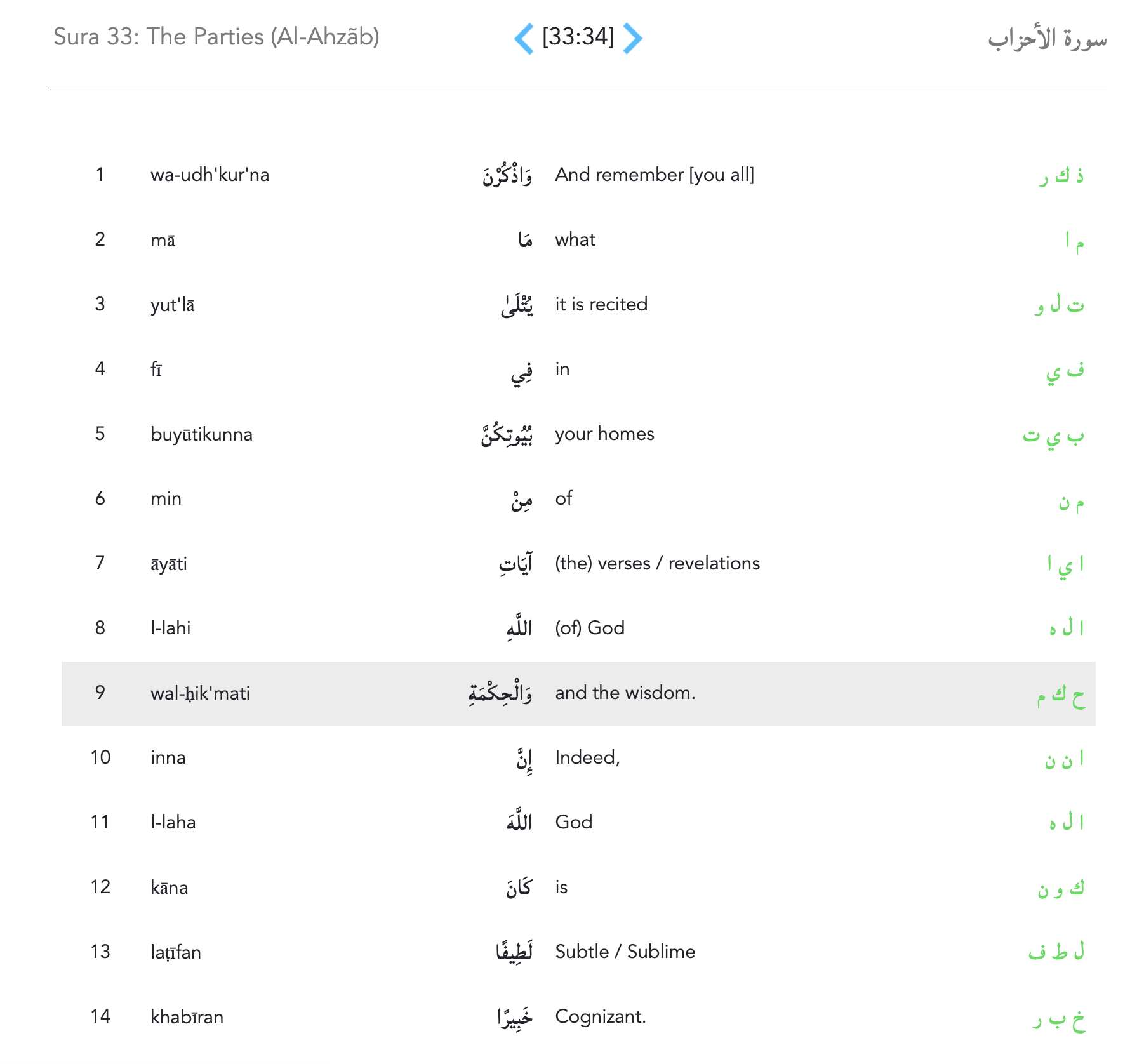
33:34: Ayat & Hikmah
One of the most cited verses to claim that Hikmah is something separate from the scripture itself can be found in the passage regarding a commandment that God gives to the prophet’s wives, where it mentions both ayat (verses) of God as well as Hikmah (wisdom).
[33:34] Remember what is being recited in your homes of GOD’s verses and the wisdom. GOD is Sublime, Cognizant.
(٣٤) وَاذْكُرْنَ مَا يُتْلَىٰ فِي بُيُوتِكُنَّ مِنْ آيَاتِ اللَّهِ وَالْحِكْمَةِ إِنَّ اللَّهَ كَانَ لَطِيفًا خَبِيرًا
The claim rests on the understanding that Hikmah in this verse is mentioned separately from the verses of God in the Quran, so this must mean that Hikmah cannot be contained within the Quran.
The Use of Wa ( وَ )
The crux of the argument rests on the use of the prefix wa ( وَ ), which is typically translated as “and,” which is used in the word wal-ḥik’mati ( وَالْحِكْمَةِ ) from the above verse. Individuals claim that since the prefix “wa” ( وَ ) is used, therefore, hikmah must signify something different than the Quran.
But this is not correct because while “wa” ( وَ ) as a prefix is typically used to separate mutually exclusive categories, it can also be used to emphasize a subset of a category Such that the broader category is mentioned first, then a subset of the category is mentioned second. There are many examples of this in the Quran, but for the sake of the topic, we will limit the examples to ones regarding scripture.
The first example of using “wa” ( وَ ) in this style can be seen in the following verse regarding what God taught Jesus.
[3:48] He will teach him the scripture, and the wisdom, and the Torah, and the Gospel.
(٤٨) وَيُعَلِّمُهُ الْكِتَابَ وَالْحِكْمَةَ وَالتَّوْرَاةَ وَالْإِنْجِيلَ
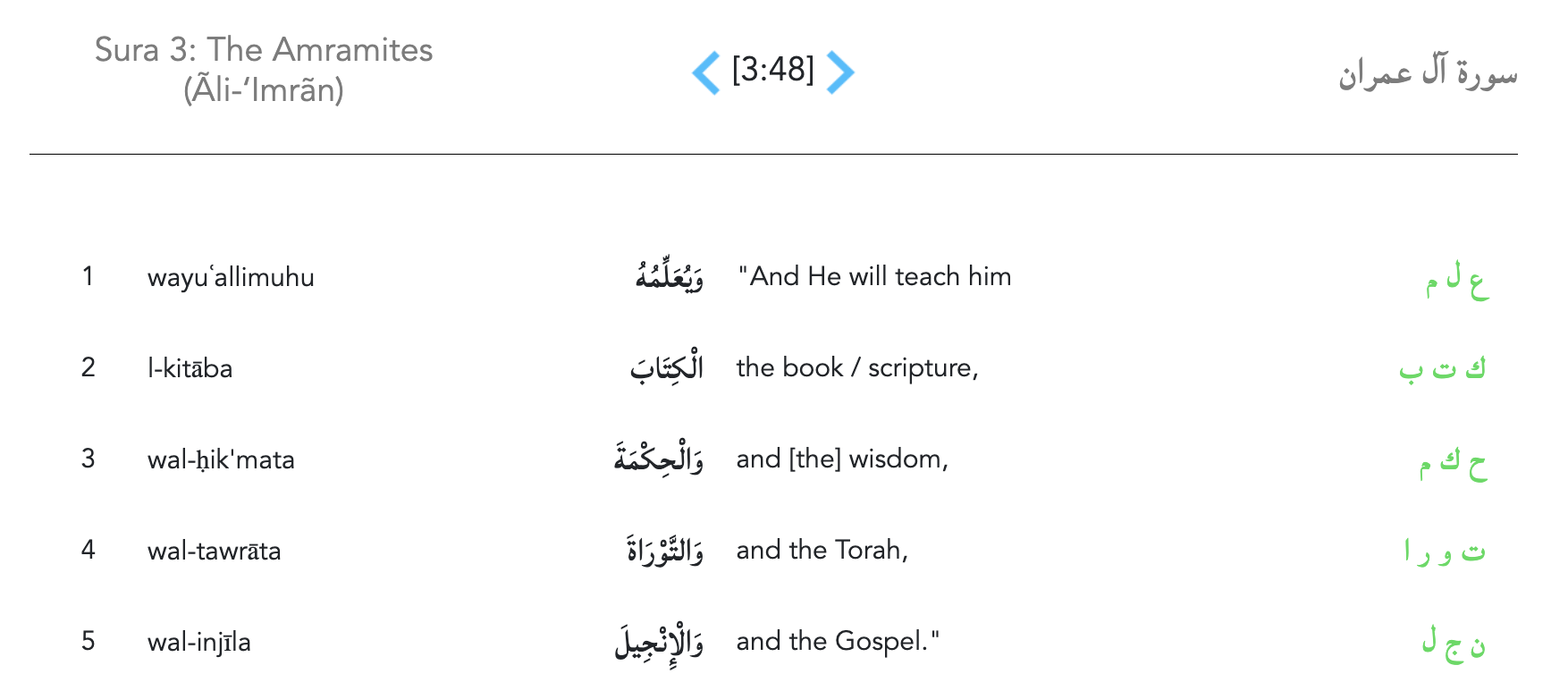
The above verse indicates that Jesus was taught the scripture (kitab), wisdom (hikmah), as well as the Torah, and the Gospel (Injeel) using the prefix of wa ( وَ ) to separate each item. Except, the Torah and the Gospel are also scriptures (kitab), and not something mutually exclusive from scripture. Therefore, the Torah and Gospel are a subset of the scripture and wisdom.
We see another example regarding Moses.
[2:53] Recall that we gave Moses scripture and the statute book, that you may be guided.
(٥٣) وَإِذْ آتَيْنَا مُوسَى الْكِتَابَ وَالْفُرْقَانَ لَعَلَّكُمْ تَهْتَدُونَ
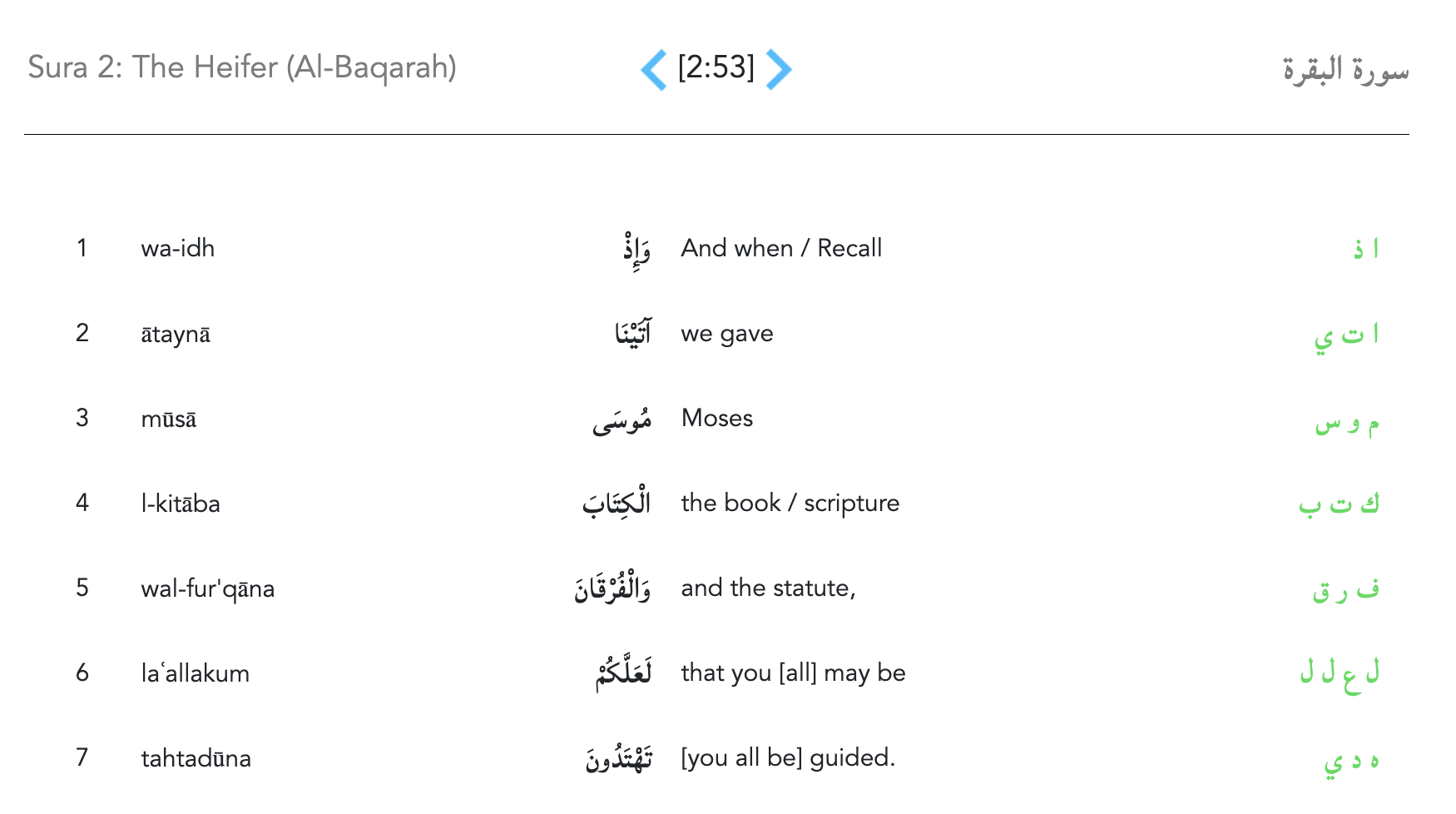
From the above verse, one would think that the scripture and the statute book (Al-Furqan) that Moses received were two separate things, but in actuality, the statute book was contained inside the scripture Moses received.
[21:48] We gave Moses and Aaron the Statute Book, a beacon, and a reminder for the righteous.
وَلَقَدْ آتَيْنَا مُوسَىٰ وَهَارُونَ الْفُرْقَانَ وَضِيَاءً وَذِكْرًا لِلْمُتَّقِينَ
[6:154] And we gave Moses the scripture, complete with the best commandments, and detailing everything, and a beacon and mercy, that they may believe in meeting their Lord.
ثُمَّ آتَيْنَا مُوسَى الْكِتَابَ تَمَامًا عَلَى الَّذِي أَحْسَنَ وَتَفْصِيلًا لِكُلِّ شَيْءٍ وَهُدًى وَرَحْمَةً لَعَلَّهُمْ بِلِقَاءِ رَبِّهِمْ يُؤْمِنُونَ
The above verse shows that the scripture (kitab) that Moses possessed contained everything; therefore, it wouldn’t make sense to consider that he got two books. Instead, this proves that the Statute Book is embedded inside the scripture. We see the same phenomenon mentioned regarding the Quran as well.
[44:1] H. M.
[44:2] And this enlightening scripture.
[44:3] We have sent it down in a blessed night, for we are to warn.
[44:4] In it (the scripture), every matter of wisdom is clarified.
(١) حم
(٢) وَالْكِتَابِ الْمُبِينِ
(٣) إِنَّا أَنْزَلْنَاهُ فِي لَيْلَةٍ مُبَارَكَةٍ إِنَّا كُنَّا مُنْذِرِينَ
(٤) فِيهَا يُفْرَقُ كُلُّ أَمْرٍ حَكِيمٍ
So this again shows that using the wa ( وَ ) does not necessarily mean that these are mutually exclusive items but can also signify things that are a subset of what is specified.
Example of Hadith From the Prophet’s Home
There is another fundamental problem with the interpretation that 33:34 is telling the prophet’s wives to equate the remembrance of the Hikmah to mean the Hadith of the prophet besides the Quran.
In Sura 66: Prohibition (Al-Tahreem), the Quran highlights a mistake committed by him in regard to his wives. It reads:
[66:1] O you prophet, why do you prohibit what GOD has made lawful for you, just to please your wives? GOD is Forgiver, Merciful.
(١) ياأَيُّهَا النَّبِيُّ لِمَ تُحَرِّمُ ما أَحَلَّ اللَّهُ لَكَ تَبتَغي مَرضاتَ أَزواجِكَ وَاللَّهُ غَفورٌ رَحيمٌ
So in the above verse, God is reprimanding the prophet for falsely prohibiting something. Not only does this show the fallibility of Muhammad as a human, but also that he was forbidden from prohibiting anything that was not exclusively prohibited to him by God. This shows that the Hadith, even if it came out of the prophet’s own mouth in confidence to his wives, should not be followed because it can either not have the full context or could be wrong.
If we continue reading, we see that there is another warning given, this time to the wives of the prophet.
[66:3] The prophet had trusted some of his wives with a certain statement (Hadith), then one of them spread it, and GOD let him know about it. He then informed his wife of part of the issue, and disregarded part. She asked him, “Who informed you of this?” He said, “I was informed by the Omniscient, Most Cognizant.”
وَإِذْ أَسَرَّ النَّبِيُّ إِلَىٰ بَعْضِ أَزْوَاجِهِ حَدِيثًا فَلَمَّا نَبَّأَتْ بِهِ وَأَظْهَرَهُ اللَّهُ عَلَيْهِ عَرَّفَ بَعْضَهُ وَأَعْرَضَ عَنْ بَعْضٍ فَلَمَّا نَبَّأَهَا بِهِ قَالَتْ مَنْ أَنْبَأَكَ هَٰذَا قَالَ نَبَّأَنِيَ الْعَلِيمُ الْخَبِيرُ
So in the above verse, that prophet shared a Hadith with some of his wives. This is a direct saying that came out of the prophet’s mouth, yet God is reprimanding the one wife for spreading such a statement. This shows that any statement that the prophet shared with his wives was to be kept private. The verse continues that if the wife does not repent and reform, she will spend eternity in Hell.
[66:4] If the two of you repent to GOD, then your hearts have listened. But if you band together against him, then GOD is his ally, and so is Gabriel and the righteous believers. Also, the angels are his helpers. [66:5] If he divorces you, his Lord will substitute other wives in your place who are better than you; submitters (Muslims), believers (Mu’mins), obedient, repentant, worshipers, pious, either previously married, or virgins.
إِنْ تَتُوبَا إِلَى اللَّهِ فَقَدْ صَغَتْ قُلُوبُكُمَا وَإِنْ تَظَاهَرَا عَلَيْهِ فَإِنَّ اللَّهَ هُوَ مَوْلَاهُ وَجِبْرِيلُ وَصَالِحُ الْمُؤْمِنِينَ وَالْمَلَائِكَةُ بَعْدَ ذَٰلِكَ ظَهِيرٌ
عَسَىٰ رَبُّهُ إِنْ طَلَّقَكُنَّ أَنْ يُبْدِلَهُ أَزْوَاجًا خَيْرًا مِنْكُنَّ مُسْلِمَاتٍ مُؤْمِنَاتٍ قَانِتَاتٍ تَائِبَاتٍ عَابِدَاتٍ سَائِحَاتٍ ثَيِّبَاتٍ وَأَبْكَارًا
From the two examples in this verse, it seems very clear that Hikmah in 33:34 is definitively not advocating the collection of the prophet’s sayings within the home of the prophet by his wives. As we have seen, such actions are in clear violation of the verses of the Quran and something that the wives of the prophet are explicitly warned never to do. Yet despite this, we are to believe that one of the prophet’s wives, Aishia, narrated some 2,210 Hadith about the prophet regarding some of the most intimate and personal aspects of his private life. It does not make any sense to believe that she would have done this some 2,210 times despite the clear warning from God in the Quran against such actions.
There is another peculiarity. From verses 66:4-5, it is clear that the one wife who heard the Hadith shared this information with another wife who did not hear the Hadith, and God does not disclose what this Hadith was, yet if we look at the Tafsir of Ibn Kathir not only does it somehow know the statement, it goes into graphic details of the prophet’s sexual dealings with his wives. Additionally, this Hadith comes from Sahih Bukhari, narrated by ‘A’ishia. To think that after being warned in the verses of the Quran for spreading such information to another wife, she would go and continue openly talking about this with others is both gross and absurd.
[33:6] The prophet is closer to the believers than they are to each other, and his wives are like mothers to them. The relatives ought to take care of one another in accordance with GOD’s scripture. Thus, the believers shall take care of their relatives who immigrate to them, provided they have taken care of their own families first. These are commandments of this scripture.
النَّبِيُّ أَوْلَىٰ بِالْمُؤْمِنِينَ مِنْ أَنْفُسِهِمْ وَأَزْوَاجُهُ أُمَّهَاتُهُمْ وَأُولُو الْأَرْحَامِ بَعْضُهُمْ أَوْلَىٰ بِبَعْضٍ فِي كِتَابِ اللَّهِ مِنَ الْمُؤْمِنِينَ وَالْمُهَاجِرِينَ إِلَّا أَنْ تَفْعَلُوا إِلَىٰ أَوْلِيَائِكُمْ مَعْرُوفًا كَانَ ذَٰلِكَ فِي الْكِتَابِ مَسْطُورًا
God gave us only one book to study
To think that the Quran and the Hikmah are separate is to think that God sent us more than one book that we are to be responsible for.
[34:44] We did not give them any other books to study, nor did we send to them before you another warner.
(٤٤) وَمَا آتَيْنَاهُمْ مِنْ كُتُبٍ يَدْرُسُونَهَا وَمَا أَرْسَلْنَا إِلَيْهِمْ قَبْلَكَ مِنْ نَذِيرٍ
God’s appointed prophets and messengers are granted authorization to extract this wisdom from the Quran and share it with their followers. This does not consist of another source besides the Quran but merely the extraction of information from within the scripture.
In the following verse we see that the Quran should be our only source of religious law.
[6:112] We have permitted the enemies of every prophet—human and jinn devils—to inspire in each other fancy words, in order to deceive. Had your Lord willed, they would not have done it. You shall disregard them and their fabrications.
وَكَذَٰلِكَ جَعَلْنَا لِكُلِّ نَبِيٍّ عَدُوًّا شَيَاطِينَ الْإِنْسِ وَالْجِنِّ يُوحِي بَعْضُهُمْ إِلَىٰ بَعْضٍ زُخْرُفَ الْقَوْلِ غُرُورًا وَلَوْ شَاءَ رَبُّكَ مَا فَعَلُوهُ فَذَرْهُمْ وَمَا يَفْتَرُونَ
[6:113] This is to let the minds of those who do not believe in the Hereafter listen to such fabrications, and accept them, and thus expose their real convictions.*
وَلِتَصْغَىٰ إِلَيْهِ أَفْئِدَةُ الَّذِينَ لَا يُؤْمِنُونَ بِالْآخِرَةِ وَلِيَرْضَوْهُ وَلِيَقْتَرِفُوا مَا هُمْ مُقْتَرِفُونَ
[6:114] Shall I seek other than GOD as a source of law, when He has revealed to you this book fully detailed? Those who received the scripture recognize that it has been revealed from your Lord, truthfully. You shall not harbor any doubt.
أَفَغَيْرَ اللَّهِ أَبْتَغِي حَكَمًا وَهُوَ الَّذِي أَنْزَلَ إِلَيْكُمُ الْكِتَابَ مُفَصَّلًا وَالَّذِينَ آتَيْنَاهُمُ الْكِتَابَ يَعْلَمُونَ أَنَّهُ مُنَزَّلٌ مِنْ رَبِّكَ بِالْحَقِّ فَلَا تَكُونَنَّ مِنَ الْمُمْتَرِينَ
It is worth noting that the Arabic word for law in the above verse ḥakaman / حَكَمًا comes from the same root as the word for wisdom (ḥik’ma). This shows that when the prophets and messengers were given wisdom (ḥik’ma) that this was not another source besides the given scripture but just the ability to extract the hidden wisdom ingrained in the scripture.
[6:115] The word of your Lord is complete, in truth and justice. Nothing shall abrogate His words. He is the Hearer, the Omniscient.
(١١٥) وَتَمَّتْ كَلِمَتُ رَبِّكَ صِدْقًا وَعَدْلًا لَا مُبَدِّلَ لِكَلِمَاتِهِ وَهُوَ السَّمِيعُ الْعَلِيمُ
[6:116] If you obey the majority of people on earth, they will divert you from the path of GOD. They follow only conjecture; they only guess.
وَإِنْ تُطِعْ أَكْثَرَ مَنْ فِي الْأَرْضِ يُضِلُّوكَ عَنْ سَبِيلِ اللَّهِ إِنْ يَتَّبِعُونَ إِلَّا الظَّنَّ وَإِنْ هُمْ إِلَّا يَخْرُصُونَ
This is further assurance that if we look for religious law from anywhere aside from the scripture itself, we are inevitably setting up another source besides what God has authorized. When it comes to the wisdom to understand these religious laws, it is all embedded inside the scripture itself. This is why when the messengers judged regarding the people’s disputes they did not judge by their personal opinion but strictly by the scripture they were given.
[4:105] We have sent down to you the scripture, truthfully, in order to judge among the people in accordance with what GOD has shown you. You shall not side with the betrayers.
(١٠٥) إِنَّا أَنْزَلْنَا إِلَيْكَ الْكِتَابَ بِالْحَقِّ لِتَحْكُمَ بَيْنَ النَّاسِ بِمَا أَرَاكَ اللَّهُ وَلَا تَكُنْ لِلْخَائِنِينَ خَصِيمًا
Contrast this to David’s test when ruling the dispute between the two brothers, that God warned him to never judge based on his personal opinion.
[38:26] O David, we have made you a ruler on earth. Therefore, you shall judge among the people equitably, and do not follow your personal opinion, lest it diverts you from the way of GOD. Surely, those who stray off the way of GOD incur severe retribution for forgetting the Day of Reckoning.
يَادَاوُودُ إِنَّا جَعَلْنَاكَ خَلِيفَةً فِي الْأَرْضِ فَاحْكُمْ بَيْنَ النَّاسِ بِالْحَقِّ وَلَا تَتَّبِعِ الْهَوَىٰ فَيُضِلَّكَ عَنْ سَبِيلِ اللَّهِ إِنَّ الَّذِينَ يَضِلُّونَ عَنْ سَبِيلِ اللَّهِ لَهُمْ عَذَابٌ شَدِيدٌ بِمَا نَسُوا يَوْمَ الْحِسَابِ
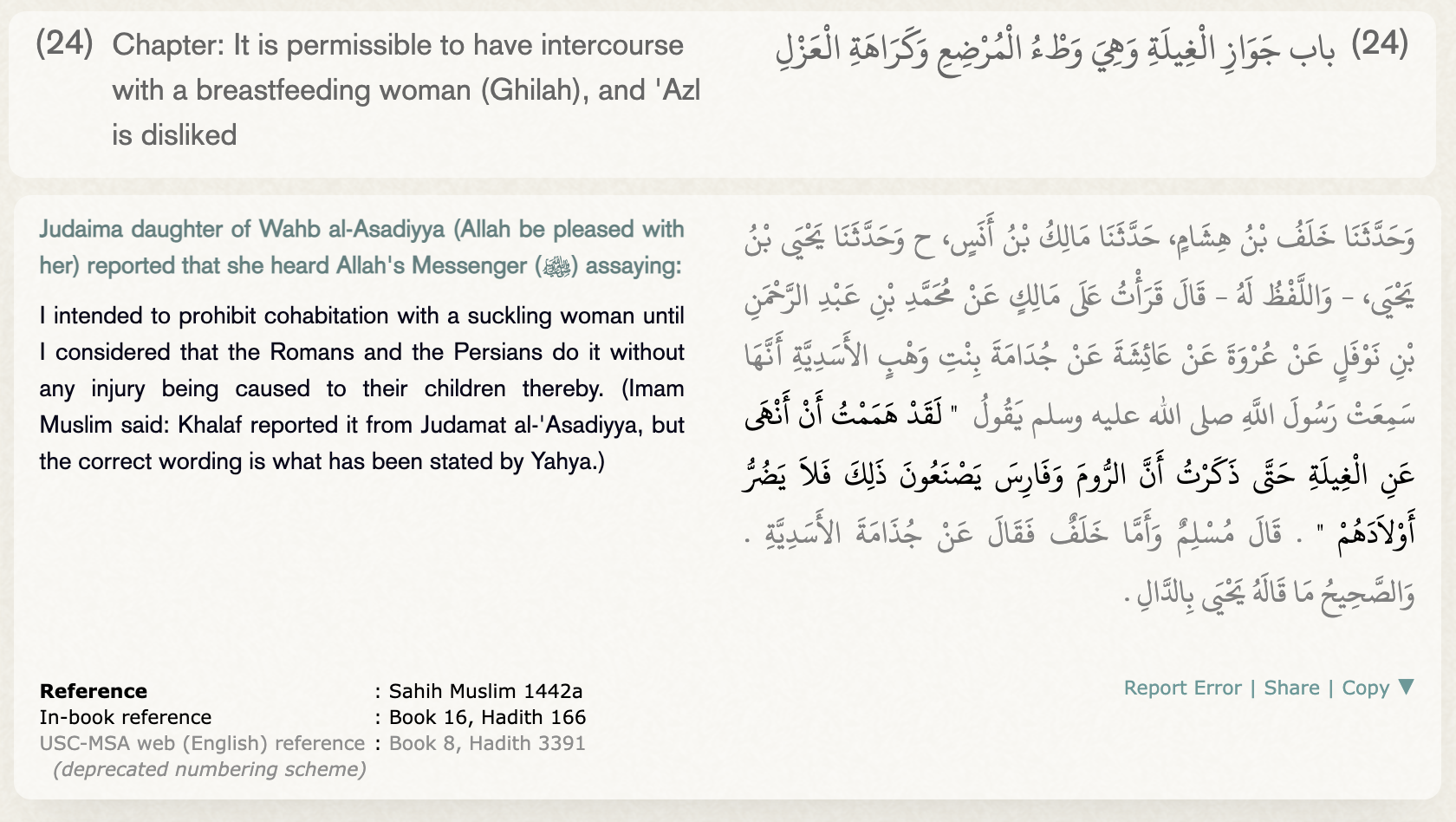
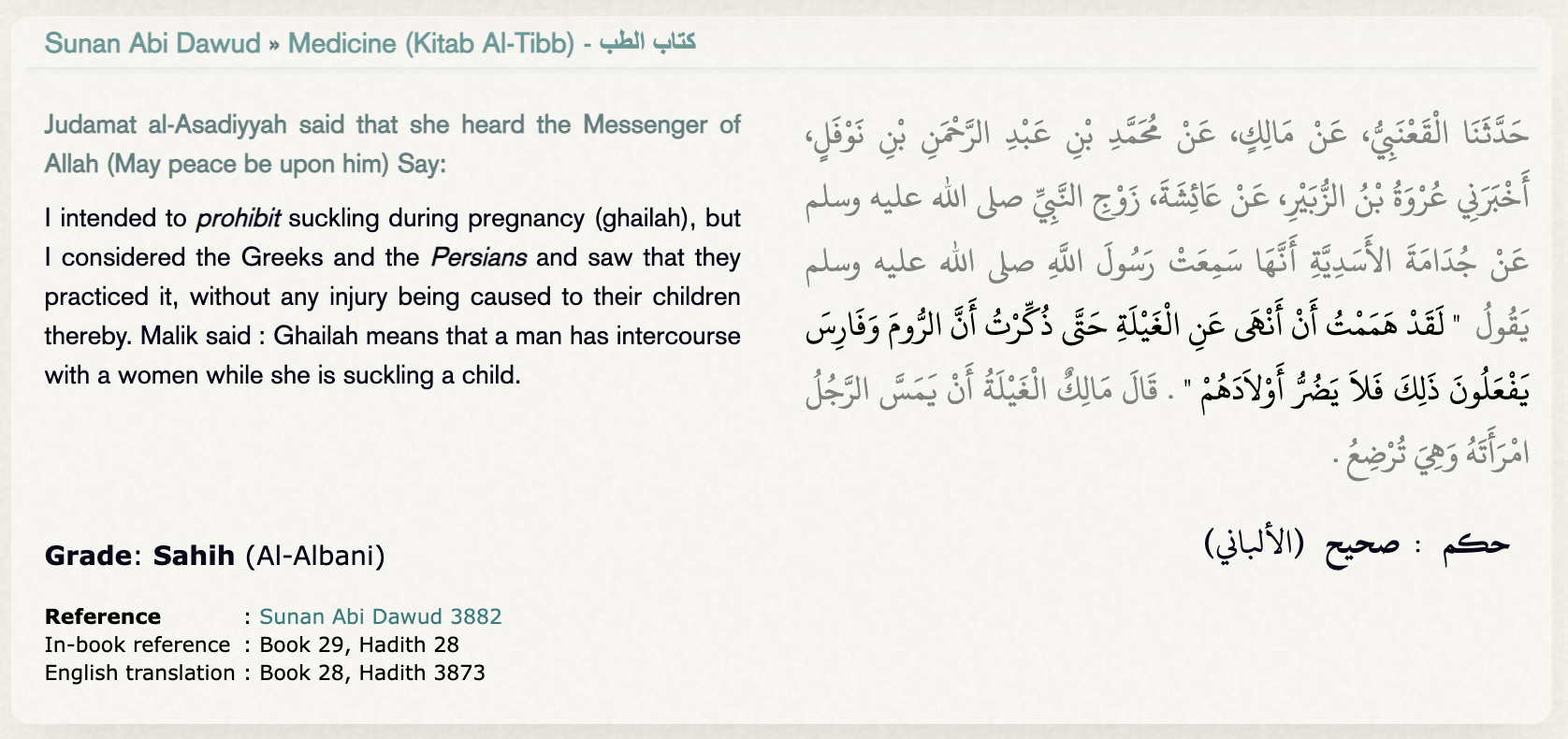
But if we consult Hadith, it makes it out that the prophet could arbitrarily prohibit whatever he wanted when by his own personal opinion.
[69:43] A revelation from the Lord of the universe.
[69:44] Had he uttered any other teachings.
[69:45] We would have punished him.
[69:46] We would have stopped the revelations to him.
[69:47] None of you could have helped him.
(٤٣) تَنْزِيلٌ مِنْ رَبِّ الْعَالَمِينَ
(٤٤) وَلَوْ تَقَوَّلَ عَلَيْنَا بَعْضَ الْأَقَاوِيلِ
(٤٥) لَأَخَذْنَا مِنْهُ بِالْيَمِينِ
(٤٦) ثُمَّ لَقَطَعْنَا مِنْهُ الْوَتِينَ
(٤٧) فَمَا مِنْكُمْ مِنْ أَحَدٍ عَنْهُ حَاجِزِينَ
If we understand this and truly accept God’s promise that the Quran is complete, fully detailed, and should be our only source of religious law, then God will also allow us to unlock the wisdom embedded in the Quran. But if we choose to look elsewhere, we will ultimately be locked out of being able to access this information.
[17:45] When you read the Quran, we place between you and those who do not believe in the Hereafter an invisible barrier.
[17:46] We place shields around their minds, to prevent them from understanding it, and deafness in their ears. And when you preach your Lord, using the Quran alone, they run away in aversion.
وَإِذَا قَرَأْتَ الْقُرْآنَ جَعَلْنَا بَيْنَكَ وَبَيْنَ الَّذِينَ لَا يُؤْمِنُونَ بِالْآخِرَةِ حِجَابًا مَسْتُورًا
وَجَعَلْنَا عَلَىٰ قُلُوبِهِمْ أَكِنَّةً أَنْ يَفْقَهُوهُ وَفِي آذَانِهِمْ وَقْرًا وَإِذَا ذَكَرْتَ رَبَّكَ فِي الْقُرْآنِ وَحْدَهُ وَلَّوْا عَلَىٰ أَدْبَارِهِمْ نُفُورًا
God informs us that if we grasp this and can access the wisdom that is inside the Quran by not setting up any other sources besides the Quran, then we will have obtained one of the greatest bounties.
[2:269] He bestows wisdom upon whomever He chooses, and whoever attains wisdom, has attained a great bounty. Only those who possess intelligence will take heed.
(٢٦٩) يُؤْتِي الْحِكْمَةَ مَنْ يَشَاءُ وَمَنْ يُؤْتَ الْحِكْمَةَ فَقَدْ أُوتِيَ خَيْرًا كَثِيرًا وَمَا يَذَّكَّرُ إِلَّا أُولُو الْأَلْبَابِ


 Quran Talk Blog
4 thoughts on “Quran and Hikmah”