
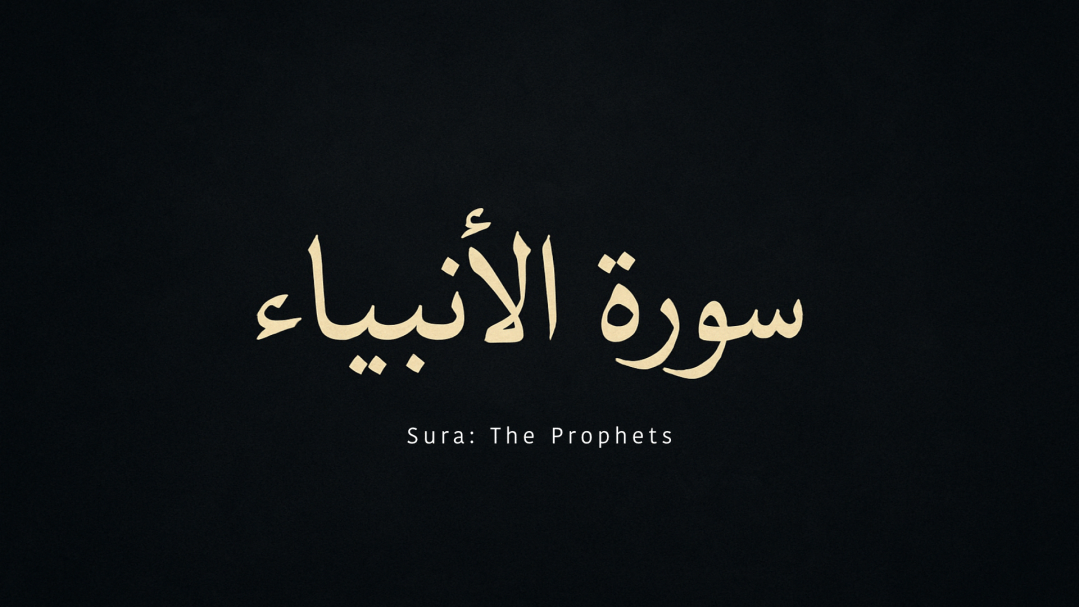
Sura 21 of the Quran is titled Al-Anbiyā’ ( الأنبياء )—“The Prophets”—yet nowhere within its 112 verses does this word, nor any of its derivatives, appear. This is no oversight. God’s speech is renowned for its precision and literary design; titles are never arbitrary.
So why would an entire chapter be named “The Prophets” while omitting the very word it proclaims?
To unravel this mystery, we must pay close attention not only to what the sura says—but what it deliberately leaves unsaid.
Killing the Prophets
The Quran uses the definite form al-anbiyā’ (ٱلْأَنبِيَاء) only three times in the entire book. Each instance occurs in a chilling context: the unjust killing of prophets by those who had been entrusted with divine revelation.
[3:112] They shall be humiliated whenever you encounter them, unless they uphold God’s covenant, as well as their peace covenants with you. They have incurred wrath from God, and, consequently, they are committed to disgrace. This is because they rejected God’s revelations, and killed the prophets unjustly. This is because they disobeyed and transgressed.
ضُرِبَتْ عَلَيْهِمُ ٱلذِّلَّةُ أَيْنَ مَا ثُقِفُوٓا۟ إِلَّا بِحَبْلٍ مِّن ٱللَّهِ وَحَبْلٍ مِّنَ ٱلنَّاسِ وَبَآءُو بِغَضَب من ٱللَّهِ وَضُرِبَتْ عَلَيْهِمُ ٱلْمَسْكَنة ذَٰلكَ بِأَنَّهُمْ كَانُوا۟ يَكْفُرُونَ بِـٔايتِ ٱللَّهِ وَيَقْتُلُونَ ٱلْأَنۢبِيَآءَ بِغَيْر حَقٍّ ذلِك بمَا عَصَوا۟ وَّكَانُوا۟ يَعْتَدون
[3:181] God has heard the utterances of those who said, “God is poor, while we are rich.” We will record everything they said, just as we recorded their killing of the prophets unjustly, and we will say, “Suffer the retribution of Hell.
لَّقَدْ سَمِعَ ٱللَّهُ قَوْلَ ٱلَّذِينَ قَالُوٓا۟ إِنَّ ٱللَّهَ فقِيرٌ وَنَحْنُ أغْنِيَآءُ سَنَكْتُبُ مَا قَالُوا وَقَتْلَهُمُ ٱلْأَنۢبِيَآءَ بِغَيْرِ حَقٍّ ونقُولُ ذُوقُوا۟ عَذَابَ ٱلْحَرِيقِ
[4:155] (They incurred condemnation) for violating their covenant, rejecting God’s revelations, killing the prophets unjustly, and for saying, “Our minds are made up!” In fact, God is the One who sealed their minds, due to their disbelief, and this is why they fail to believe, except rarely.
فَبِمَا نَقْضِهِم مِّيثَٰقَهُمْ وَكُفْرِهِم بِـَٔايَٰت ٱللَهِ وَقَتْلِهم ٱلْأَنۢبِيَآءَ بِغَيْرِ حَق وقَوْلِهِمْ قُلُوبُنَا غُلفٌۢ بَلْ طَبَعَ ٱللَّه عَلَيْهَا بِكُفْرِهمْ فَلَا يُؤْمِنُونَ إِلَّا قلِيلًا
These verses reveal not just isolated historical moments, but a recurring moral failure: when divine truth threatens the structures of ego, tradition, or worldly power, the response is rarely humility. It is hostility.
[22:72] When our revelations are recited to them, clearly, you recognize wickedness on the faces of those who disbelieve. They almost attack those who recite our revelations to them. Say, “Shall I inform you of something much worse? Hell is promised by GOD for those who disbelieve; what a miserable destiny.”
وَإِذَا تُتْلَىٰ عَلَيْهِمْ ءَايَـٰتُنَا بَيِّنَـٰتٍ تَعْرِفُ فِى وُجُوهِ ٱلَّذِينَ كَفَرُوا۟ ٱلْمُنكَرَ يَكَادُونَ يَسْطُونَ بِٱلَّذِينَ يَتْلُونَ عَلَيْهِمْ ءَايَـٰتِنَا قُلْ أَفَأُنَبِّئُكُم بِشَرٍّ مِّن ذَٰلِكُمُ ٱلنَّارُ وَعَدَهَا ٱللَّهُ ٱلَّذِينَ كَفَرُوا۟ وَبِئْسَ ٱلْمَصِيرُ
The killing of prophets is not merely an act of brutality—it is a metaphor for the world’s rejection of truth when it doesn’t conform to one’s preconceived notions.
From Revelation to Rebellion
This violent instinct is not limited to ancient peoples. The Quran describes how truth provokes resistance in every age:
[2:87] We gave Moses the scripture, and subsequent to him we sent other messengers, and we gave Jesus, son of Mary, profound miracles and supported him with the Holy Spirit. Is it not a fact that every time a messenger went to you with anything you disliked, your ego caused you to be arrogant? Some of them you rejected, and some of them you killed.
وَلَقَدْ ءَاتَيْنَا مُوسَى ٱلْكِتَـٰبَ وَقَفَّيْنَا مِنۢ بَعْدِهِۦ بِٱلرُّسُلِ وَءَاتَيْنَا عِيسَى ٱبْنَ مَرْيَمَ ٱلْبَيِّنَـٰتِ وَأَيَّدْنَـٰهُ بِرُوحِ ٱلْقُدُسِ أَفَكُلَّمَا جَآءَكُمْ رَسُولٌۢ بِمَا لَا تَهْوَىٰٓ أَنفُسُكُمُ ٱسْتَكْبَرْتُمْ فَفَرِيقًا كَذَّبْتُمْ وَفَرِيقًا تَقْتُلُونَ
This is not a matter of culture or time—it is human nature. Truth, when unfiltered and uncompromising, exposes our pretenses. And when it cannot be argued against, the opposition will try to neutralize its impact.
[8:30] The disbelievers plot and scheme to neutralize you, or kill you, or banish you. However, they plot and scheme, but so does GOD. GOD is the best schemer.
وَإِذْ يَمْكُرُ بِكَ ٱلَّذِينَ كَفَرُوا۟ لِيُثْبِتُوكَ أَوْ يَقْتُلُوكَ أَوْ يُخْرِجُوكَ وَيَمْكُرُونَ وَيَمْكُرُ ٱللَّهُ وَٱللَّهُ خَيْرُ ٱلْمَـٰكِرِينَ
[40:5] Disbelieving before them were the people of Noah, and many other opponents after them. Every community persecuted their messenger to neutralize him. And they argued with falsehood, to defeat the truth. Consequently, I punished them; how terrible was My retribution!
كَذَّبَتْ قَبْلَهُمْ قَوْمُ نُوحٍ وَٱلْأَحْزَابُ مِنۢ بَعْدِهِمْ وَهَمَّتْ كُلُّ أُمَّةٍۭ بِرَسُولِهِمْ لِيَأْخُذُوهُ وَجَـٰدَلُوا۟ بِٱلْبَـٰطِلِ لِيُدْحِضُوا۟ بِهِ ٱلْحَقَّ فَأَخَذْتُهُمْ فَكَيْفَ كَانَ عِقَابِ
Rejection at the Doorstep
Rather than opening with a celebration, Sura 21 begins with a confrontation. It invites the reader into the psychology of rejection:
[21:2] When a proof comes to them from their Lord, that is new, they listen to it heedlessly.
[21:3] Their minds are heedless. And the transgressors confer secretly: “Is he not just a human being like you? Would you accept the magic that is presented to you?”
[21:4] He said, “My Lord knows every thought in the heaven and the earth. He is the Hearer, the Omniscient.”
[21:5] They even said, “Hallucinations,” “He made it up,” and, “He is a poet. Let him show us a miracle like those of the previous messengers.”
These objections are familiar. Accusations of madness, fabrication, or poetic invention are the timeless tools of spiritual deflection. They give the illusion of intellectual rigor while shielding the heart from accountability. It shows that opposition to truth often disguises itself in rational-sounding rhetoric: “We are only asking questions,” they say—while ignoring the revelation already before them. The Quran responds not with new arguments, but with historical precedent:
[21:6] We never annihilated a believing community in the past. Are these people believers?
[21:7] We did not send before you except men whom we inspired. Ask those who know the scripture, if you do not know.
[21:8] We did not give them bodies that did not eat, nor were they immortal.
[21:9] We fulfilled our promise to them; we saved them together with whomever we willed, and annihilated the transgressors.
[21:10] We have sent down to you a scripture containing your message. Do you not understand?
The pattern is clear: those who demand signs often ignore the ones already sent. The problem is not lack of evidence—but lack of humility. This chorus of denial mirrors the historical treatment of earlier messengers.
Example of Saleh
To illustrate this tragic pattern, the Quran presents the case of Sãleh and his people. They ask for a miracle, and God provides it—a she-camel with no parallel in the natural world. Yet when they cannot argue against it, they destroy it.
[7:75] The arrogant leaders among his people said to the common people who believed, “How do you know that Sãleh is sent by his Lord?” They said, “The message he brought has made us believers.”
[7:76] The arrogant ones said, “We disbelieve in what you believe in.”
[7:77] Subsequently, they slaughtered the camel, rebelled against their Lord’s command, and said, “O Sãleh, bring the doom you threaten us with, if you are really a messenger.”
[7:78] Consequently, the quake annihilated them, leaving them dead in their homes.
[7:79] He turned away from them, saying, “O my people, I have delivered my Lord’s message to you, and advised you, but you do not like any advisers.”
This is more than a cautionary tale. It reveals a deeper truth: when people cannot refute the argument through reason, they often attempt to destroy it instead.
Killing the Message = Killing the Messenger
Even when prophets were not physically attacked, they were personally mocked and ridiculed. This attempt at character assassination is no less grave, for its intention is one and the same: to destroy the truth and preserve the falsehood.
[21:36] When those who disbelieve see you, they ridicule you: “Is this the one who challenges your gods?” Meanwhile, they remain totally heedless of the message from the Most Gracious.
[21:37] The human being is impatient by nature. I will inevitably show you My signs; do not be in such a hurry.
[21:38] They challenge: “Where is that (retribution), if you are truthful?”
[21:39] If only those who disbelieve could envision themselves when they try to ward off the fire; off their faces and their backs! No one will help them then.
[21:40] Indeed, it will come to them suddenly, and they will be utterly stunned. They can neither avoid it, nor can they receive any respite.
[21:41] Messengers before you have been ridiculed, and, consequently, those who ridiculed them incurred the retribution for their ridiculing.
This is echoed in 2:91, one of only two places in the Quran where the word anbiyā’ appears without the definite article:
[2:91] When they are told, “You shall believe in these revelations of God,” they say, “We believe only in what was sent down to us.” Thus, they disbelieve in subsequent revelations, even if it is the truth from their Lord, and even though it confirms what they have! Say, “Why then did you kill God’s prophets, if you were believers?
وَإِذَا قِيلَ لَهُمْ ءَامِنُوا۟ بِمَآ أَنزَلَ ٱللَّهُ قَالُوا۟ نُؤْمِنُ بِمَآ أُنزِلَ عَلَيْنَا وَيَكْفُرُونَ بِمَا وَرَآءَهُۥ وَهُوَ ٱلْحَقُّ مُصَدِّقًا لِّمَا مَعَهُمْ قُلْ فَلِمَ تَقْتُلُونَ أَنۢبِيَآءَ ٱللَّهِ مِن قَبْلُ إِن كُنتُم مُّؤْمِنِينَ
This verse equates rejecting new revelation with killing prophets, piercing the pious façades of the objectors. It targets those who claim to honor what they inherited while rejecting any revelation that challenges their assumptions. The verse exposes a timeless hypocrisy: venerating dead prophets while persecuting the living ones.
Only once does the Quran speak of anbiyā’ as a collective blessing:
[5:20] Recall that Moses said to his people, “O my people, remember God’s blessings upon you: He appointed prophets from among you, made you kings, and granted you what He never granted any other people.
وَإِذْ قَالَ مُوسَىٰ لِقَوْمِهِۦ يَـٰقَوْمِ ٱذْكُرُوا۟ نِعْمَةَ ٱللَّهِ عَلَيْكُمْ إِذْ جَعَلَ فِيكُمْ أَنۢبِيَآءَ وَجَعَلَكُم مُّلُوكًا وَءَاتَىٰكُم مَّا لَمْ يُؤْتِ أَحَدًا مِّنَ ٱلْعَـٰلَمِينَ
Here, prophets are presented as a divine blessing—a sign of favor and elevation. But with great honor comes great responsibility. The Israelites were not condemned because they were given prophets; they were condemned because they rejected, killed, or ignored them.
This is the tragic thread tying the theme for the title of the sura together: blessings become trials. The presence of prophets is not only a mercy—it is a test, and a sure-fire way to fail that test is through rejection of their message.
[4:150] Those who disbelieve in GOD and His messengers, and seek to make distinction among GOD and His messengers, and say, “We believe in some and reject some,” and wish to follow a path in between;
إِنَّ ٱلَّذِينَ يَكْفُرُونَ بِٱللَّهِ وَرُسُلِهِۦ وَيُرِيدُونَ أَن يُفَرِّقُوا۟ بَيْنَ ٱللَّهِ وَرُسُلِهِۦ وَيَقُولُونَ نُؤْمِنُ بِبَعْضٍ وَنَكْفُرُ بِبَعْضٍ وَيُرِيدُونَ أَن يَتَّخِذُوا۟ بَيْنَ ذَٰلِكَ سَبِيلًا
The attempt to cherry-pick revelation—to honor what comforts while discarding what convicts—is itself a form of disbelief. This is why the Quran equates the rejection of any prophet as the same as the rejection of all the prophets.
Fragmentation: The Aftermath of Rejection
Sura 21 is structured as a gallery of prophetic episodes, each illustrating the same truth: prophets come, messages are delivered, and most people turn away. The sequence is cumulative—building a moral weight that forces the reader to confront an uncomfortable reality of how they would behave if a messenger were to come today.
The chapter ends with a poignant reminder of the unity that should have existed:
[21:92] Your congregation is but one congregation, and I alone am your Lord; you shall worship Me alone.
[21:93] However, they divided themselves into disputing religions. All of them will come back to us (for judgment).(٩٢) إِنَّ هَـٰذِهِۦٓ أُمَّتُكُمْ أُمَّةً وَٰحِدَةً وَأَنَا۠ رَبُّكُمْ فَٱعْبُدُونِ
(٩٣) وَتَقَطَّعُوٓا۟ أَمْرَهُم بَيْنَهُمْ كُلٌّ إِلَيْنَا رَٰجِعُونَ
This fragmentation is the consequence of turning away from what the prophets actually preached: worship of God alone, justice, humility, accountability, and unity.
In the Introduction to the Authorized English Version of the Quran by Dr. Rashad Khalifa, he writes:
As expected from the Creator’s final message, one of the prominent themes in the Quran is the call for unity among all believers, and the repeated prohibition of making any distinction among God’s messengers. If the object of worship is one and the same, there will be absolute unity among all believers. It is the human factor, i.e., devotion and prejudice to such powerless humans as Jesus, Muhammad, and the saints that causes division, hatred, and bitter wars among the misguided believers. A guided believer is devoted to God ALONE, and rejoices in seeing any other believer who is devoted to God ALONE, regardless of the name such a believer calls his or her religion.
[2:62] Surely, those who believe, those who are Jewish, the Christians, and the converts; anyone who (1) believes in GOD, and (2) believes in the Last Day, and (3) leads a righteous life, will receive their recompense from their Lord. They have nothing to fear, nor will they grieve.
إِنَّ ٱلَّذِينَ ءَامَنُوا۟ وَٱلَّذِينَ هَادُوا۟ وَٱلنَّصَـٰرَىٰ وَٱلصَّـٰبِـِٔينَ مَنْ ءَامَنَ بِٱللَّهِ وَٱلْيَوْمِ ٱلْـَٔاخِرِ وَعَمِلَ صَـٰلِحًا فَلَهُمْ أَجْرُهُمْ عِندَ رَبِّهِمْ وَلَا خَوْفٌ عَلَيْهِمْ وَلَا هُمْ يَحْزَنُونَ
Final Thoughts
The Quran often employs omission as a rhetorical device. By deliberately avoiding the word anbiyā’—“the prophets”—in a sura that bears their name, the Quran underscores the very point it’s making: that prophets are rarely recognized in their own time. They are mocked, denied, opposed, and even killed.
So the absence of the word is no oversight—it is the message. It is the reminder. It is the text itself.
Sura 21 is a warning cloaked in history. It holds up a mirror to every generation, exposing a pattern that repeats: rejection is not just a past event—it is a present reality. It happens whenever truth is inconvenient, whenever accountability is resisted, whenever God’s words are twisted to defend ego or tradition.
We are not meant to merely read about prophets. We are meant to ask: Would I have stood with them—or with their accusers?
That test is not hypothetical. The prophets came for one purpose: to deliver the reminder. That reminder is now the Quran itself—preserved, complete, and addressed to you.
The word anbiyā’ may be missing from this sura, but their message is not. It is not found in Hadith or Sunnah. It is not buried in secondary traditions. It is here, alive, and recited. It has reached you. And it still speaks.
The question is: Will you uphold it—or join the rejectors?
[21:10] We have sent down to you a scripture containing your message. Do you not understand?
لَقَدْ أَنزَلْنَآ إِلَيْكُمْ كِتَـٰبًا فِيهِ ذِكْرُكُمْ أَفَلَا تَعْقِلُونَ

 Quran Talk Blog