
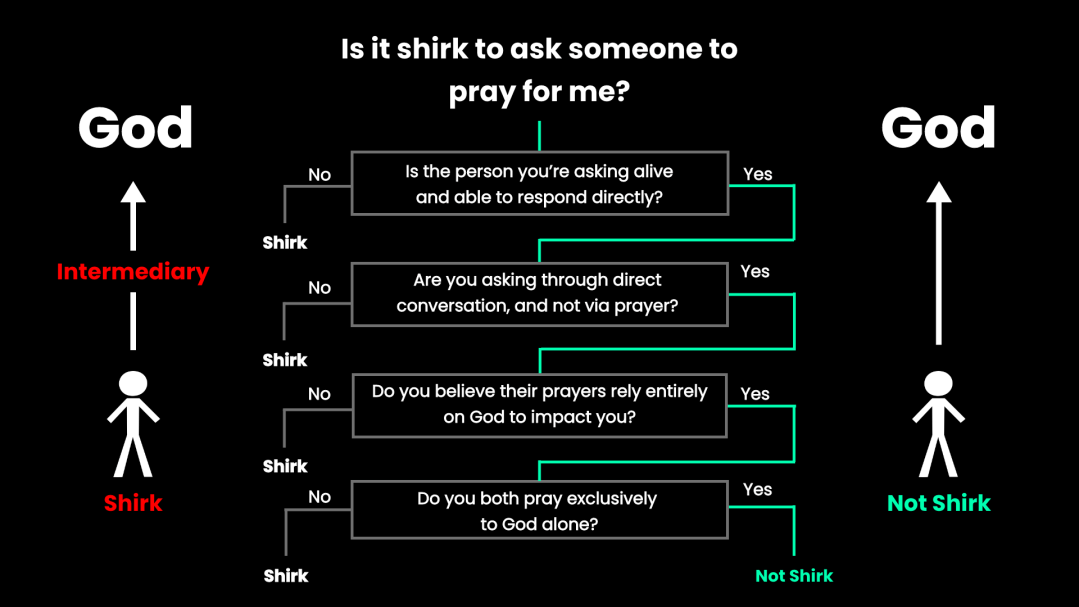
One of the messengers’ functions while they are alive on Earth is to seek God’s forgiveness for the believers.
[4:64] We did not send any messenger except to be obeyed in accordance with GOD’s will. Had they, when they wronged their souls, come to you and prayed to GOD for forgiveness, and the messenger prayed for their forgiveness, they would have found GOD Redeemer, Most Merciful.
وَمَآ أَرْسَلْنَا مِن رَّسُولٍ إِلَّا لِيُطَاعَ بِإِذْنِ ٱللَّهِ وَلَوْ أَنَّهُمْ إِذ ظَّلَمُوٓا۟ أَنفُسَهُمْ جَآءُوكَ فَٱسْتَغْفَرُوا۟ ٱللَّهَ وَٱسْتَغْفَرَ لَهُمُ ٱلرَّسُولُ لَوَجَدُوا۟ ٱللَّهَ تَوَّابًا رَّحِيمًا
This is similar to the angels who also pray for the forgiveness of the believers.
[40:7] Those who serve the throne and all those around it glorify and praise their Lord, and believe in Him. And they ask forgiveness for those who believe: “Our Lord, Your mercy and Your knowledge encompass all things. Forgive those who repent and follow Your path, and spare them the retribution of Hell.
ٱلَّذِينَ يَحْمِلُونَ ٱلْعَرْشَ وَمَنْ حَوْلَهُۥ يُسَبِّحُونَ بِحَمْدِ رَبِّهِمْ وَيُؤْمِنُونَ بِهِۦ وَيَسْتَغْفِرُونَ لِلَّذِينَ ءَامَنُوا۟ رَبَّنَا وَسِعْتَ كُلَّ شَىْءٍ رَّحْمَةً وَعِلْمًا فَٱغْفِرْ لِلَّذِينَ تَابُوا۟ وَٱتَّبَعُوا۟ سَبِيلَكَ وَقِهِمْ عَذَابَ ٱلْجَحِيمِ
All Parties Only Pray to God
Many traditionalists make a mistake in their understanding of 4:64 because they think they are praying to God through the messenger’s prayers. This is not what the verse states. The verse states that the believers go to the messenger, and they themselves pray to God, asking for His forgiveness, and then the messenger also prays to God for their forgiveness. So, both parties, believers and the messenger, are praying to God. The believers are not supplicating to the messenger, who in turn supplicates to God. Below is a word-by-word translation of that section of the verse.
| 9 | walaw | وَلَوْ | And if |
| 10 | annahum | أَنَّهُمْ | [that] they, |
| 11 | idh | إِذ | when |
| 12 | ẓalamū | ظَّلَمُوٓا۟ | they wronged |
| 13 | anfusahum | أَنفُسَهُمْ | themselves / their souls, |
| 14 | jāūka | جَآءُوكَ | they came to you |
| 15 | fa-is’taghfarū | فَٱسْتَغْفَرُوا۟ | and they asked forgiveness |
| 16 | l-laha | ٱللَّهَ | (of) God, |
| 17 | wa-is’taghfara | وَٱسْتَغْفَرَ | and [he] asked forgiveness |
| 18 | lahumu | لَهُمُ | for them |
| 19 | l-rasūlu | ٱلرَّسُولُ | the messenger, |
| 20 | lawajadū | لَوَجَدُوا۟ | surely they would have found |
| 21 | l-laha | ٱللَّهَ | God |
| 22 | tawwāban | تَوَّابًا | Redeemer, |
| 23 | raḥīman | رَّحِيمًا | Merciful. |
Why Rasool Rather Than Nabi?
Since this verse is temporally bound, some may ask why it uses the term ‘messenger’ (rasool) rather than ‘prophet’ (nabi), as a prophet (nabi) is typically used when referencing the prophet while he was living. More on that topic can be found in the following article. The reason for this is that this verse is not limited to only the prophet Muhammad but to any messenger, including messengers who lived before Muhammad or came after Muhammad, as this verse can be applied in the presence of any of God’s messengers.
After the Messenger Passes
While a believer can still pray to God for the forgiveness of their sins even without a messenger, the messenger can no longer pray for the forgiveness of a believer’s sins after they are dead. After the messenger dies, they will not know what is happening in this world. They do not know the individuals who are alive today and will not be able to hear their calls or pray for them. This is clearly articulated in the following verses, where we are informed that the messengers are unaware of what happened in this world after their passing.
[5:109] The day will come when GOD will summon the messengers and ask them, “How was the response to you?” They will say, “We have no knowledge. You are the Knower of all secrets.”
يَوْمَ يَجْمَعُ ٱللَّهُ ٱلرُّسُلَ فَيَقُولُ مَاذَآ أُجِبْتُمْ قَالُوا۟ لَا عِلْمَ لَنَآ إِنَّكَ أَنتَ عَلَّـٰمُ ٱلْغُيُوبِ
If we continue reading, we see Jesus’s testimony about his unawareness of what happened after his death and how the people began to worship him after his passing.
[5:116] GOD will say, “O Jesus, son of Mary, did you say to the people, ‘Make me and my mother idols beside GOD’?” He will say, “Be You glorified. I could not utter what was not right. Had I said it, You already would have known it. You know my thoughts, and I do not know Your thoughts. You know all the secrets.
[5:117] “I told them only what You commanded me to say, that: ‘You shall worship GOD, my Lord and your Lord.’ I was a witness among them for as long as I lived with them. When You terminated my life on earth, You became the Watcher over them. You witness all things.
[5:118] “If You punish them, they are Your constituents. If You forgive them, You are the Almighty, Most Wise.”
وَإِذْ قَالَ ٱللَّهُ يَـٰعِيسَى ٱبْنَ مَرْيَمَ ءَأَنتَ قُلْتَ لِلنَّاسِ ٱتَّخِذُونِى وَأُمِّىَ إِلَـٰهَيْنِ مِن دُونِ ٱللَّهِ قَالَ سُبْحَـٰنَكَ مَا يَكُونُ لِىٓ أَنْ أَقُولَ مَا لَيْسَ لِى بِحَقٍّ إِن كُنتُ قُلْتُهُۥ فَقَدْ عَلِمْتَهُۥ تَعْلَمُ مَا فِى نَفْسِى وَلَآ أَعْلَمُ مَا فِى نَفْسِكَ إِنَّكَ أَنتَ عَلَّـٰمُ ٱلْغُيُوبِ
مَا قُلْتُ لَهُمْ إِلَّا مَآ أَمَرْتَنِى بِهِۦٓ أَنِ ٱعْبُدُوا۟ ٱللَّهَ رَبِّى وَرَبَّكُمْ وَكُنتُ عَلَيْهِمْ شَهِيدًا مَّا دُمْتُ فِيهِمْ فَلَمَّا تَوَفَّيْتَنِى كُنتَ أَنتَ ٱلرَّقِيبَ عَلَيْهِمْ وَأَنتَ عَلَىٰ كُلِّ شَىْءٍ شَهِيدٌ
إِن تُعَذِّبْهُمْ فَإِنَّهُمْ عِبَادُكَ وَإِن تَغْفِرْ لَهُمْ فَإِنَّكَ أَنتَ ٱلْعَزِيزُ ٱلْحَكِيمُ
Calling Upon The Dead Prophet
The Quran clearly states that the prophet would die.
[39:30] You (Muhammad) will surely die, just like they will die.
(٣٠) إِنَّكَ مَيِّتٌ وَإِنَّهُم مَّيِّتُونَ
Then, it informs us that on the Day of Judgment, his people will feud with one another.
[39:31] On the Day of Resurrection, before your Lord, you people will feud with one another.
(٣١) ثُمَّ إِنَّكُمْ يَوْمَ ٱلْقِيَـٰمَةِ عِندَ رَبِّكُمْ تَخْتَصِمُونَ
A clue to what they could be feuding regarding is that today millions of Muslims are praying to the prophet, thinking that he hears their prayers and will intercede on their behalf on the Day of Resurrection. They justify these actions through verses like 4:64, yet as we saw above, this only applied to when the messenger was alive, and also, the verse never commands the people to pray to the prophet, but only to God alone. Therefore, when they are praying to the prophet and asking for his intercession, they are really setting up a partner and intermediary beside God, and this, by definition, is shirk. The reality is that the prophet cannot hear their supplications, nor can he respond to them, and on the Day of Resurrection, he will disown them for setting him up as a partner next to God.
[35:14] If you call on them, they cannot hear you. Even if they hear you, they cannot respond to you. On the Day of Resurrection, they will disown you. None can inform you like the Most Cognizant.
إِن تَدْعُوهُمْ لَا يَسْمَعُوا۟ دُعَآءَكُمْ وَلَوْ سَمِعُوا۟ مَا ٱسْتَجَابُوا۟ لَكُمْ وَيَوْمَ ٱلْقِيَـٰمَةِ يَكْفُرُونَ بِشِرْكِكُمْ وَلَا يُنَبِّئُكَ مِثْلُ خَبِيرٍ
Related Articles:

 Quran Talk Blog
It’s kind of like animal sacrifices. The Quran says the meat/blood doesn’t reach God, but our righteousness (22:37). If you think the meat or blood of the animal itself pleases God and that’s why God forgives you, that’s incorrect. It’s the righteousness behind the activity. Similarly:
Rough translation of Quran by chatGPT:
[63:5] “And when it is said to them, ‘Come, the Messenger of God will ask forgiveness for you,’ they turn their heads aside, and you see them repelling others while they are arrogant.”
[63:6] “It is the same for them whether you ask forgiveness for them or do not ask forgiveness for them; God will never forgive them. Indeed, God does not guide the defiantly disobedient people.”
If you think the messenger praying for your forgiveness itself is the thing that makes God forgive you, that’s also incorrect. You can imagine a case where a hypocrite humbles themselves before the messenger only to show off and the messenger asks for their forgiveness–would God forgive them? Of course not. The messenger asking for their forgiveness is useless and it is only symbolic. Just like how intercession on the day of judgment is completely useless (contrary to the Sunni belief system).
The messenger’s prayer represents a natural response to those who once opposed him and God but have since sought to reconcile. This act embodies a humbling experience for individuals who once held malicious intentions. To approach the messenger, confess their wrongs, and receive his prayer for forgiveness signifies a profound act of humility, affirming their desire to be accepted among the ranks of the faithful.
This is affirmed by the following verse, 63:6, which decisively refutes the idea that the messenger’s prayer for forgiveness would result in actual forgiveness from God. The verse states, “It is the same for them, whether you pray for their forgiveness or not; God will not forgive them.” This verse coming right after the verse about approaching the messenger that he may ask their forgiveness informs us that the prophet asking God for their forgiveness is useless with respect to God actually forgiving them. The purpose of approaching the messenger is not to solicit his prayer for forgiveness; rather, it is about the individual’s willingness to humble themselves before him and express a genuine desire for acceptance. This act of reconciliation signifies their commitment to humility, leading to the messenger’s acceptance and their reintegration into the believer’s community.
Consider a hypothetical scenario where a hypocrite complies with this and approaches the messenger merely to show off and signal virtue, prompting the messenger to pray for their forgiveness. Would God grant forgiveness to them? Of course not; the individual remains a hypocrite. Thus, the messenger’s prayer serves merely as a gesture of acceptance back into the ranks of the believers; it’s not an effective prayer, only a gesture of acceptance and reintegration.
LikeLike