
Christians often ask followers of the Quran whether they object to using the term “Father” for God, aiming to highlight a perceived inconsistency between the portrayal of Jesus in the Gospels and the Quran. They argue that Jesus’ use of “Father” in the Gospels suggests a theological divergence from the Quranic depiction of Jesus as a submitter to God.
However, the Quran never condemns the use of the name “Father” for God, but also never endorses it. Interestingly, the Quran does not reprimand Christians and Jews for calling themselves “God’s children”.
[5:18] The Jews and the Christians said, “We are God’s children and His beloved.” Say, “Why then does He punish you for your sins? You are just humans like the other humans He created.” He forgives whomever He wills and punishes whomever He wills. To God belongs the sovereignty of the heavens and the earth, and everything between them, and to Him is the final destiny.
وَقالَتِ اليَهودُ وَالنَّصٰرىٰ نَحنُ أَبنٰؤُا۟ اللَّهِ وَأَحِبّٰؤُهُ قُل فَلِمَ يُعَذِّبُكُم بِذُنوبِكُم بَل أَنتُم بَشَرٌ مِمَّن خَلَقَ يَغفِرُ لِمَن يَشاءُ وَيُعَذِّبُ مَن يَشاءُ وَلِلَّهِ مُلكُ السَّمٰوٰتِ وَالأَرضِ وَما بَينَهُما وَإِلَيهِ المَصيرُ
Given that “Father” was a common term for God in Koine Greek, it would have been natural for early Christians to use this term in their writings. Similarly, in Arabic, the term for God is “Allah,” a term still used by Christians in Egypt today. However, Christians who do not speak Arabic typically do not refer to God as “Allah” due to the term’s specific cultural and religious connotations today, despite this also being the term Jesus most likely used when speaking Aramaic.
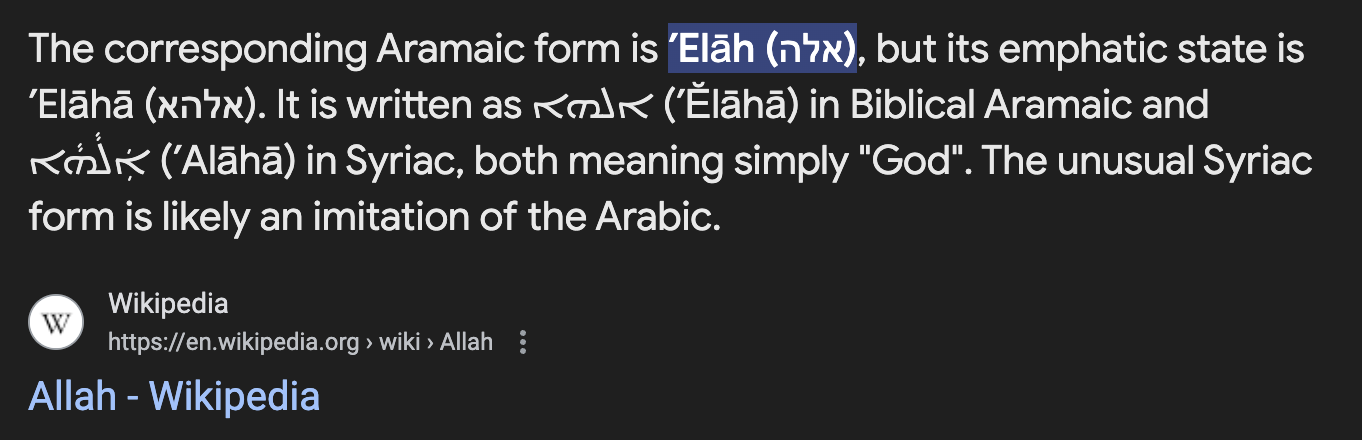
It is also worth emphasizing the linguistic and cultural context of Jesus’ ministry. Jesus primarily addressed a Jewish audience and likely spoke Aramaic, the common language among Jews at that time, or Hebrew when quoting scripture, the language of the Old Testament. The Gospels were later written in Koine Greek, the lingua franca of the Eastern Mediterranean, to reach a broader audience, especially Gentiles who adopted Pauline Christianity. Thus, the term “Father” in the Greek texts is a translation of what Jesus might have originally said in Aramaic or Hebrew.
Additionally, there is an obvious theological bias in the New Testament’s frequent use of the term ‘Father’ for God, compared to its infrequent use in the Old Testament. This is most likely an attempt to align the writings of the New Testament with the concept of the Trinity. Therefore, using “Father” to refer to God in English today is problematic, not because the term is inherently inappropriate, but because of the theological implications it has acquired.
The Quran commands believers to use the correct utterances.
[33:70] O you who believe, reverence GOD and utter only the correct utterances.
يَـٰٓأَيُّهَا ٱلَّذِينَ ءَامَنُوا۟ ٱتَّقُوا۟ ٱللَّهَ وَقُولُوا۟ قَوْلًا سَدِيدًا
The Quran also provides the following example of using terms that eliminate misunderstandings. This is seen in the recommendation to say “Unzurna (watch over us) instead of the term “Raa’ena” (be our shepherd). Even though there is nothing inherently wrong with stating “Raa’ena,” since some Hebrew-speaking individuals twisted the word to sound like a dirty word, the Quran recommends stating “Unzurna” instead to eliminate this connotation.
[2:104] O you who believe, do not say, “Raa’ena”* (be our shepherd). Instead, you should say, “Unzurna” (watch over us), and listen. The disbelievers have incurred a painful retribution.
يَـٰٓأَيُّهَا ٱلَّذِينَ ءَامَنُوا۟ لَا تَقُولُوا۟ رَٰعِنَا وَقُولُوا۟ ٱنظُرْنَا وَٱسْمَعُوا۟ وَلِلْكَـٰفِرِينَ عَذَابٌ أَلِيمٌ
[4:46] Among those who are Jewish, some distort the words beyond the truth, and they say, “We hear, but we disobey,” and “Your words are falling on deaf ears,” and “Raa’ena (be our shepherd),” as they twist their tongues to mock the religion. Had they said, “We hear, and we obey,” and “We hear you,” and “Unzurna (watch over us),” it would have been better for them, and more righteous. Instead, they have incurred condemnation from GOD due to their disbelief. Consequently, the majority of them cannot believe.
مِّنَ ٱلَّذِينَ هَادُوا۟ يُحَرِّفُونَ ٱلْكَلِمَ عَن مَّوَاضِعِهِۦ وَيَقُولُونَ سَمِعْنَا وَعَصَيْنَا وَٱسْمَعْ غَيْرَ مُسْمَعٍ وَرَٰعِنَا لَيًّۢا بِأَلْسِنَتِهِمْ وَطَعْنًا فِى ٱلدِّينِ وَلَوْ أَنَّهُمْ قَالُوا۟ سَمِعْنَا وَأَطَعْنَا وَٱسْمَعْ وَٱنظُرْنَا لَكَانَ خَيْرًا لَّهُمْ وَأَقْوَمَ وَلَـٰكِن لَّعَنَهُمُ ٱللَّهُ بِكُفْرِهِمْ فَلَا يُؤْمِنُونَ إِلَّا قَلِيلًا
Therefore, while “Father” was appropriate in the context of Koine Greek of its time, its use in modern English today carries theological connotations that conflict with the teachings of the Quran. So, even if we assume that this was the actual expression that Jesus and his followers used when they were alive, after the proliferation of the Trinity doctrine, believers in God alone should be cautious when using this term for God in case it may appear that they are offering any kind of support for the blasphemous doctrine of the Trinity.
[5:73] Pagans indeed are those who say that GOD is a third in a trinity. There is no god except the one god. Unless they refrain from saying this, those who disbelieve among them will incur a painful retribution.
لَّقَدْ كَفَرَ ٱلَّذِينَ قَالُوٓا۟ إِنَّ ٱللَّهَ ثَالِثُ ثَلَـٰثَةٍ وَمَا مِنْ إِلَـٰهٍ إِلَّآ إِلَـٰهٌ وَٰحِدٌ وَإِن لَّمْ يَنتَهُوا۟ عَمَّا يَقُولُونَ لَيَمَسَّنَّ ٱلَّذِينَ كَفَرُوا۟ مِنْهُمْ عَذَابٌ أَلِيمٌ
[4:171] O people of the scripture, do not transgress the limits of your religion, and do not say about GOD except the truth. The Messiah, Jesus, the son of Mary, was a messenger of GOD, and His word that He had sent to Mary, and a revelation from Him. Therefore, you shall believe in GOD and His messengers. You shall not say, “Trinity.” You shall refrain from this for your own good. GOD is only one god. Be He glorified; He is much too glorious to have a son. To Him belongs everything in the heavens and everything on earth. GOD suffices as Lord and Master.
يَـٰٓأَهْلَ ٱلْكِتَـٰبِ لَا تَغْلُوا۟ فِى دِينِكُمْ وَلَا تَقُولُوا۟ عَلَى ٱللَّهِ إِلَّا ٱلْحَقَّ إِنَّمَا ٱلْمَسِيحُ عِيسَى ٱبْنُ مَرْيَمَ رَسُولُ ٱللَّهِ وَكَلِمَتُهُۥٓ أَلْقَىٰهَآ إِلَىٰ مَرْيَمَ وَرُوحٌ مِّنْهُ فَـَٔامِنُوا۟ بِٱللَّهِ وَرُسُلِهِۦ وَلَا تَقُولُوا۟ ثَلَـٰثَةٌ ٱنتَهُوا۟ خَيْرًا لَّكُمْ إِنَّمَا ٱللَّهُ إِلَـٰهٌ وَٰحِدٌ سُبْحَـٰنَهُۥٓ أَن يَكُونَ لَهُۥ وَلَدٌ لَّهُۥ مَا فِى ٱلسَّمَـٰوَٰتِ وَمَا فِى ٱلْأَرْضِ وَكَفَىٰ بِٱللَّهِ وَكِيلًا
To draw a parallel from a description that the Old Testament utilizes for God, yet neither Christian nor Jew is comfortable calling God because of its connotations, is that of a husband. In the Old Testament, God is occasionally referenced metaphorically as a “husband” to His people, as seen in passages like Isaiah 54:5: “For your Maker is your husband—the Lord Almighty is his name—the Holy One of Israel is your Redeemer.” Similarly, Jeremiah 3:14 states, “Return, faithless people,” declares the Lord, “for I am your husband.” This metaphor portrays the covenantal relationship between God and Israel, emphasizing God’s steadfast love, care, and the expectation of absolute loyalty from His people. In Hosea 2:19–20, the theme is extended as God says, “I will betroth you to me forever; I will betroth you in righteousness and justice, in love and compassion.” Such imagery illustrates a deeply intimate and committed bond between God and His worshipers while equating Israel’s spiritual unfaithfulness to adultery when turning to idolatry.
Despite its biblical usage, the term “husband” is not used directly as a title for God in Jewish or Christian worship. This is largely due to the personal and relational connotations of the term, which could risk misrepresenting God’s transcendence. While the metaphor effectively communicates the closeness of the divine relationship, applying it literally could anthropomorphize God when used out of context. This cautious approach reflects the desire to preserve the understanding of God’s majesty and uniqueness in worship.
A parallel can be drawn to the use of the term “Father” for God, which has become central in Christianity, especially due to its emphasis in the New Testament and its association with the Trinity. While “Father” is also a metaphor found in the Old Testament (e.g., Isaiah 64:8: “But now, O Lord, you are our Father; we are the clay, and you are our potter”), its usage in Christian doctrine evolved to signify the first person of the Trinity. This theological context has introduced connotations that go beyond its original biblical metaphor of care, provision, and authority, potentially conflicting with the principles of true monotheism.
For monotheists who reject the Trinity, the term “Father” as it is used today undermines the oneness and indivisibility of God. The association of “Father” with a divine family structure involving a “Son” and “Holy Spirit” can give the impression of polytheism or a divided Godhead, contrary to the pure monotheistic understanding of God as absolutely singular and without peer. Thus, while “Father” remains a meaningful and scriptural metaphor, its adoption in trinitarian theology has transformed it in ways that might not align with the sensibilities of those committed to the strictest form of monotheism.
Just as the term “husband” is avoided due to its relational limitations and potential misunderstandings, “Father” in its trinitarian context poses challenges for true monotheists who prioritize God’s absolute oneness and transcendence over relational metaphors that could imply otherwise.

 Quran Talk Blog