The Dead Sea Scrolls are a collection of ancient Jewish texts discovered between 1947 and 1956 in eleven caves near the Dead Sea in the vicinity of Qumran, in what is now the West Bank. These scrolls, which date from the third century BCE to the first century CE, include biblical manuscripts, apocryphal writings, and sectarian documents, many of which were previously unknown.
The biblical manuscripts are among the oldest known copies of the Hebrew Bible, providing significant insights into the text’s early transmission and variations. The scrolls also include writings that shed light on the beliefs, practices, and community life of a Jewish sect, often identified with the Essenes, who are believed to have lived in Qumran during this period. The discovery of the Dead Sea Scrolls has had a profound impact on biblical scholarship, archaeology, and our understanding of early Judaism and the origins of Christianity.
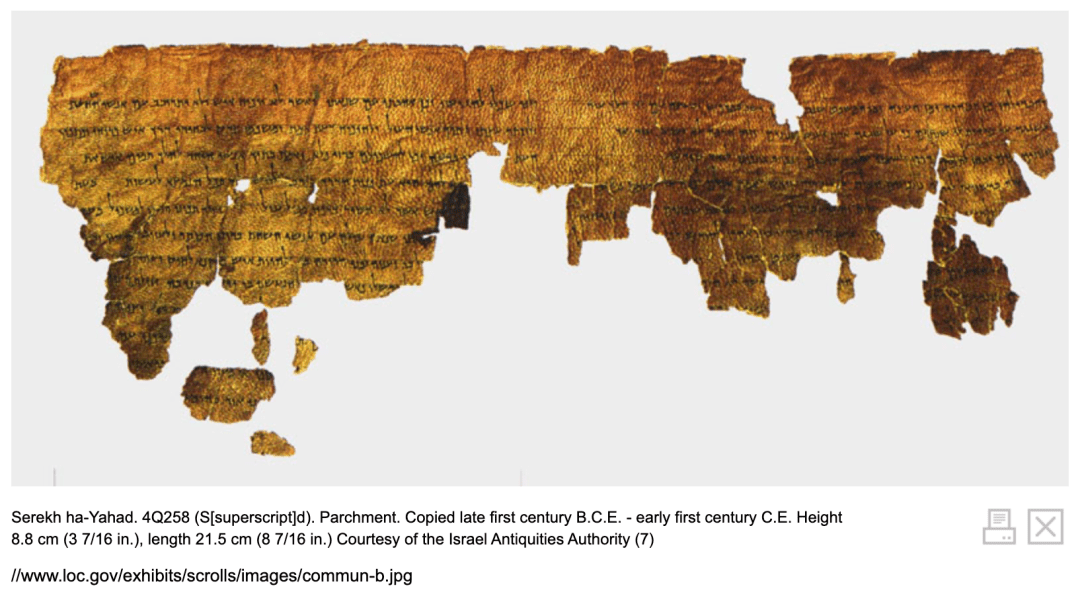
One of these documents, known as “The Manual of Discipline, also known as the Rule of the Community (Hebrew: Serekh ha-Yahad), is one of the significant texts found among the Dead Sea Scrolls at Qumran. The text outlines the community’s religious beliefs, organizational structure, ethical teachings, and rules of conduct for its members.
A key aspect of the document is its focus on dualism. It reflects the community’s belief in an impending divine judgment and the establishment of a righteous kingdom. The text outlines the concept of ethical dualism, emphasizing that each individual possesses a dual nature. Below is a passage from this text as referenced on page 21 of the book “Two Powers in Heaven” by Alan F. Segal.
He created man for dominion over the earth; and he set in him two spirits for him to set his course by them until the set time of his visitation. They are the spirits of truth and of perversity. In a dwelling of light, are the generations of truth and from a well of darkness come the generations of perversity. In the hand of the prince of lights is the dominion of all the sons of righteousness; in the ways of light will they walk. In the hand of the angel of darkness is all the dominion of the sons of perversity and in the ways of darkness they will walk.
A.R.C. Leany, The Rule of Qumran and its Meaning (London: 1996) p. 144 to I Q S 3:17 f
And by the angel of darkness are the errors of all the sons of righteousness; and all their sins and iniquities and guiltiness and deeds of transgression are in his dominion according to the secrets of God for his appointed time. All their afflictions and set times of their troubles are under the dominion of his hostility and all the spirits of his portion are set to trip up the sons of light, but the God of Israel and his angel of truth are the help of the sons of light.
The passage from The Manual of Discipline aligns with the Quranic concept of each person having a jinn companion in several ways. Both texts emphasize the existence of dual spiritual influences on individuals, guiding them toward righteousness or perversity.
The Manual of Discipline describes two opposing spirits within each person: the spirits of truth and perversity. These spirits guide individuals’ actions and moral decisions. The spirit of truth leads to righteousness and light, while the spirit of perversity leads to sin and darkness. The text further explains the dominion of light and darkness through the “prince of lights” and the “angel of darkness,” symbolizing the overarching forces of good and evil. The sons of righteousness follow the light, whereas the sons of perversity follow darkness. Moreover, the passage highlights the influence and temptation exerted by the “angel of darkness,” who has dominion over the errors and sins of the righteous, causing afflictions and troubles.
In the Quran, it is mentioned that every person has a jinn companion who influences their actions.
[50:27] His companion said, “Our Lord, I did not mislead him; he was far astray.”
قَالَ قَرِينُهُۥ رَبَّنَا مَآ أَطْغَيْتُهُۥ وَلَـٰكِن كَانَ فِى ضَلَـٰلٍۭ بَعِيدٍ
Similarly, Surah An-Nas (114:4-6) mentions
[114:1] Say, “I seek refuge in the Lord of the people.
[114:2] “The King of the people.
[114:3] “The god of the people.
[114:4] “From the evils of sneaky whisperers.
[114:5] “Who whisper into the chests of the people.
[114:6] “Be they of the jinns, or the people.”(١) قُلْ أَعُوذُ بِرَبِّ ٱلنَّاسِ
(٢) مَلِكِ ٱلنَّاسِ
(٣) إِلَـٰهِ ٱلنَّاسِ
(٤) مِن شَرِّ ٱلْوَسْوَاسِ ٱلْخَنَّاسِ
(٥) ٱلَّذِى يُوَسْوِسُ فِى صُدُورِ ٱلنَّاسِ
(٦) مِنَ ٱلْجِنَّةِ وَٱلنَّاسِ
These verses illustrate the concept of dual spiritual influence, where the jinn companion whispers evil thoughts and leads individuals astray.
Both texts emphasize the dual spiritual influences on individuals, guiding them towards good or evil. The Manual of Discipline describes the spirits of truth and perversity influencing individuals, while the Quran describes the jinn companion representing an internal force prompting evil, counteracted by divine guidance towards good. This highlights the moral and ethical guidance present in both texts, where the spirit of truth in The Manual of Discipline leads to righteousness, while the spirit of perversity leads to sin. Similarly, in the Quran, the jinn companion prompts evil actions, which are counteracted by divine guidance.
Furthermore, both texts describe a constant struggle within individuals. The Manual of Discipline depicts a spiritual battle between the forces of light and darkness, while the Quran highlights the ongoing struggle between following the right path, inspired by God and angels, and succumbing to the whisperings of the jinn companion. Both texts also emphasize the importance of divine assistance. The Manual of Discipline mentions the “God of Israel” and the “angel of truth” helping the sons of light, while the Quran emphasizes seeking refuge in God from the evil of the whisperer and the role of the Quran in guiding and protecting believers.
[2:2] This scripture is infallible; a beacon for the righteous;
(٢) ذَٰلِكَ ٱلْكِتَـٰبُ لَا رَيْبَ فِيهِ هُدًى لِّلْمُتَّقِينَ
[65:10] GOD has prepared for them severe retribution. Therefore, you shall reverence GOD, O you who possess intelligence and believed. GOD has sent down to you a message—
[65:11] a messenger who recites to you GOD’s revelations, clearly, to lead those who believe and work righteousness out of the darkness into the light. Anyone who believes in GOD and leads a righteous life, He will admit him into gardens with flowing streams; they abide therein forever. GOD will generously reward him.
أَعَدَّ ٱللَّهُ لَهُمْ عَذَابًا شَدِيدًا فَٱتَّقُوا۟ ٱللَّهَ يَـٰٓأُو۟لِى ٱلْأَلْبَـٰبِ ٱلَّذِينَ ءَامَنُوا۟ قَدْ أَنزَلَ ٱللَّهُ إِلَيْكُمْ ذِكْرًا
رَّسُولًا يَتْلُوا۟ عَلَيْكُمْ ءَايَـٰتِ ٱللَّهِ مُبَيِّنَـٰتٍ لِّيُخْرِجَ ٱلَّذِينَ ءَامَنُوا۟ وَعَمِلُوا۟ ٱلصَّـٰلِحَـٰتِ مِنَ ٱلظُّلُمَـٰتِ إِلَى ٱلنُّورِ وَمَن يُؤْمِنۢ بِٱللَّهِ وَيَعْمَلْ صَـٰلِحًا يُدْخِلْهُ جَنَّـٰتٍ تَجْرِى مِن تَحْتِهَا ٱلْأَنْهَـٰرُ خَـٰلِدِينَ فِيهَآ أَبَدًا قَدْ أَحْسَنَ ٱللَّهُ لَهُۥ رِزْقًا
[2:257] GOD is Lord of those who believe; He leads them out of darkness into the light. As for those who disbelieve, their lords are their idols; they lead them out of the light into darkness—these will be the dwellers of Hell; they abide in it forever.
ٱللَّهُ وَلِىُّ ٱلَّذِينَ ءَامَنُوا۟ يُخْرِجُهُم مِّنَ ٱلظُّلُمَـٰتِ إِلَى ٱلنُّورِ وَٱلَّذِينَ كَفَرُوٓا۟ أَوْلِيَآؤُهُمُ ٱلطَّـٰغُوتُ يُخْرِجُونَهُم مِّنَ ٱلنُّورِ إِلَى ٱلظُّلُمَـٰتِ أُو۟لَـٰٓئِكَ أَصْحَـٰبُ ٱلنَّارِ هُمْ فِيهَا خَـٰلِدُونَ
Further Reading:

 Quran Talk Blog